

 |


0.2-3.0mm
Yingfan
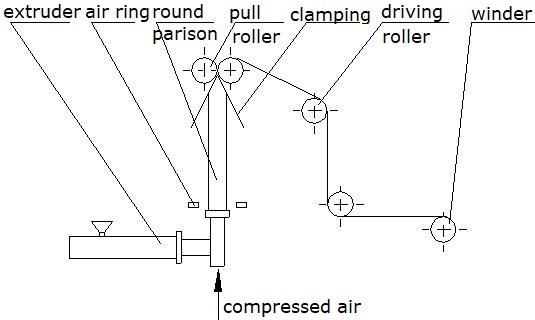
HDPE geomembranes are advanced geosynthetic materials designed to provide reliable containment and waterproofing solutions. These membranes are made from high-density polyethylene, a thermoplastic polymer known for its robustness and versatility. HDPE geomembranes are manufactured through a controlled extrusion process, resulting in a uniform and high-quality product. They are widely recognized for their excellent barrier properties, mechanical strength, and resistance to environmental degradation, making them a preferred choice for numerous industrial and environmental applications.
HDPE geomembranes exhibit high tensile strength, puncture resistance, and tear resistance. These properties enable them to endure the rigors of installation and operational stresses in various environments.
Special UV stabilizers are incorporated into the HDPE material, enhancing its resistance to sunlight degradation. This allows the geomembranes to maintain their performance when exposed to outdoor conditions for extended periods.
HDPE geomembranes remain flexible in low-temperature conditions and do not become brittle. They also perform well at elevated temperatures, ensuring consistent performance across a broad temperature range.
Item | Value | ||||||
Thickness,mm | 0.75 | 1.0 | 1.25 | 1.5 | 2.0 | 2.5 | 3.0 |
Density,g/cm3 | ≥0.94 | ||||||
Tensile yiedl strength,N/mm | ≥11 | ≥15 | ≥18 | ≥22 | ≥29 | ≥37 | ≥44 |
Tensile breaking strength,N/mm | ≥20 | ≥27 | ≥33 | ≥40 | ≥53 | ≥67 | ≥80 |
Elongation at yield, % | ≥12 | ||||||
Elongation at break,% | ≥700 | ||||||
Tear Resistance,N | ≥93 | ≥125 | ≥160 | ≥190 | ≥250 | ≥315 | ≥375 |
Puncture Resistance,N | ≥240 | ≥320 | ≥400 | ≥480 | ≥640 | ≥800 | ≥960 |
Water Conservation Projects: HDPE geomembranes are used to line water storage reservoirs, canals, and irrigation ponds to reduce water seepage and improve water use efficiency.
Industrial Waste Management: They provide containment for industrial waste storage facilities, including ponds and landfills, preventing the release of contaminants into the environment.
Mining and Mineral Processing: HDPE geomembranes are essential for lining tailings dams, leach pads, and wastewater treatment facilities in mining operations to manage and contain mining-related fluids.
Agricultural Water Management: They can be used to line agricultural water storage facilities and manure lagoons, preventing water pollution and maintaining water quality for irrigation and livestock use.
Infrastructure Construction: Applications include waterproofing for bridges, tunnels, and underground structures. HDPE geomembranes protect these infrastructure elements from water damage and enhance their longevity.
Land Remediation and Capping: HDPE geomembranes are used to cap and contain contaminated land, preventing the migration of pollutants and facilitating the safe redevelopment of brownfield sites.
Special UV stabilizers are incorporated into the HDPE material during production. This enhances its resistance to sunlight degradation, allowing it to maintain stable performance when exposed to outdoor conditions for a long time.
The thickness of the product ranges from 0.2mm to 3.0mm, covering multiple specifications such as 0.75mm, 1.0mm, 1.5mm, 2.0mm, 2.5mm and 3.0mm to meet different engineering needs.
Yes. It is an ideal material for landfill projects. It can be used as a liner to prevent the leakage of contaminants, effectively containing leachate and protecting soil and groundwater from pollution.
It is lightweight and flexible for easy handling. It can be installed by heat welding to form seamless joints, creating a continuous and reliable waterproof barrier for various projects.


