

 |


4000-6000g/m2
Yingfan
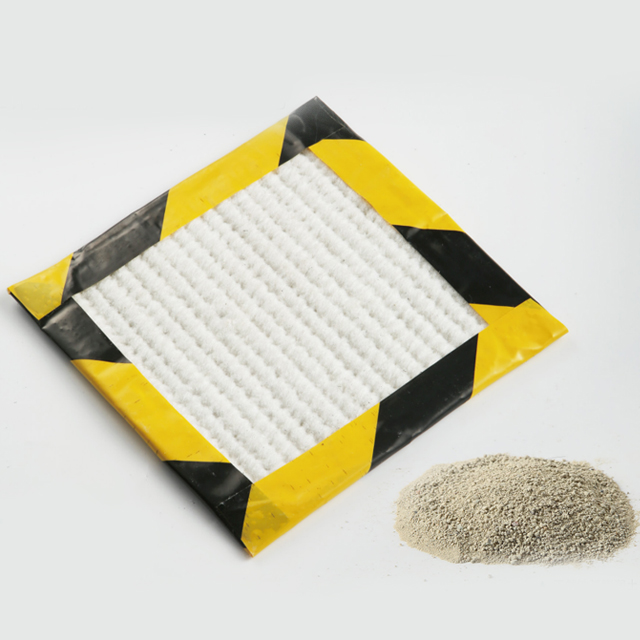
Geosynthetic Clay Liner, also known as GCL or bentonite waterproof liner, is a high-performance composite waterproofing material. It combines two durable geotextile layers with a uniform natural sodium bentonite clay core. When hydrated, the sodium bentonite swells and forms a dense gel layer, creating an effective hydraulic barrier against water and liquid leakage.
The 4000g needle-punched construction GCL is designed for projects that require reliable anti-seepage performance, easy installation and strong adaptability to site conditions. Compared with compacted clay liners, GCL has a thinner profile, more consistent factory-controlled quality and faster installation efficiency.
The needle-punched structure improves internal shear strength and keeps the bentonite evenly distributed during transportation, installation and service. It is especially suitable for civil engineering, environmental containment and underground waterproofing projects.
| GCL-NP | Physdical requirements |
| ≥200g/m2 | Mass per unit area of cover layer(polypropylene nonwoven) |
| ≥105g/m2 | Mass per unit area of carrier layer(polypropylene woven) |
| ≥6000g/m2 | Mass per unit area of bentonite layer(sodium bentonite powder) |
| ≥5.0mm | Thickness |
| 24ml/2g | Swell index(bentonite layer) |
| ≤18ml | Fluid loss(bentonite layer) |
| ≥40N/100mm | Peel strength |
| ≤5.10-9cm/min | Permeability/Hydraulic conductivity |
| ≥600N/100mm | Tear strength |
| ≥5.5×30m | Width × length |
Natural sodium bentonite swells after absorbing water, forming a dense waterproof gel layer. This helps reduce permeability and prevents leakage in containment and construction projects.
If small punctures or minor installation damage occur, hydrated bentonite can swell and fill the gap, helping restore the waterproofing barrier.
The upper and lower geotextiles are mechanically bonded through needle-punching. This improves tensile strength, internal stability and resistance to bentonite migration.
The 4000g/m² specification provides a practical balance between waterproofing performance, flexibility and cost efficiency for many construction applications.
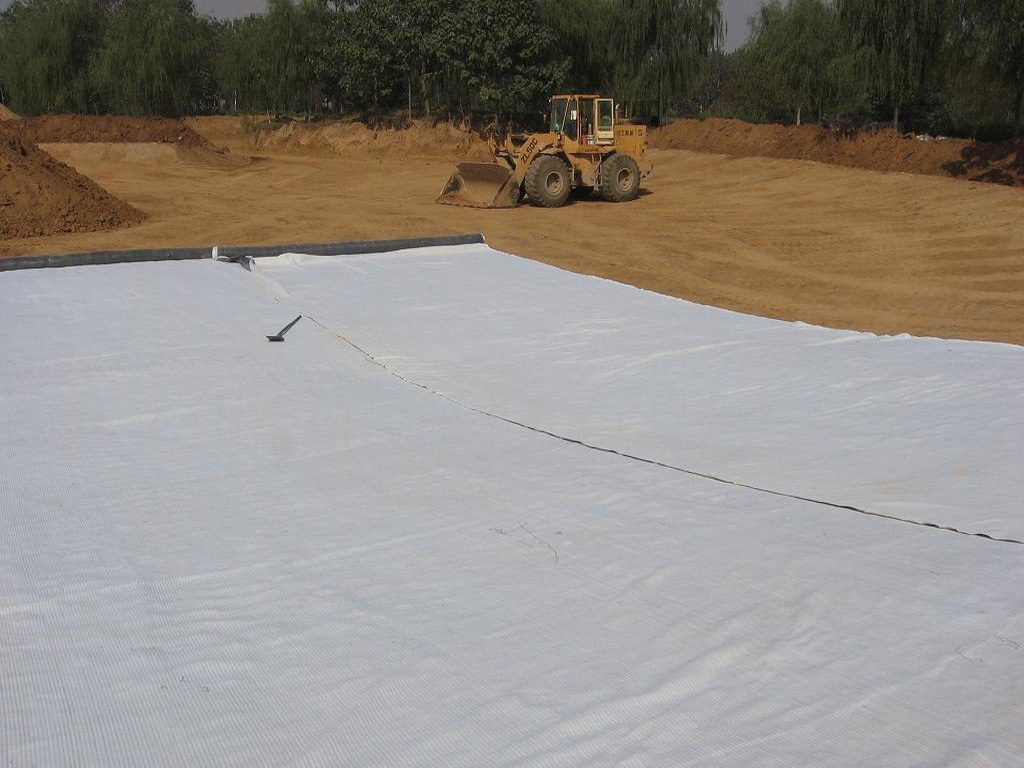
GCL is supplied in rolls and can be quickly laid on prepared surfaces. It requires less space and less construction time compared with traditional compacted clay liner systems.
The flexible composite structure allows the liner to adapt to moderate foundation deformation, settlement and irregular surfaces.
Natural sodium bentonite is non-toxic and suitable for environmental protection, water containment and civil engineering projects.
With roll width commonly available from 4m to 6m, the product can reduce overlaps and improve installation efficiency on large job sites.
| Specification | Recommended Applications |
|---|---|
| 4000g/m² GCL | Basement waterproofing, road construction, artificial lakes, general anti-seepage projects |
| 4500g/m² GCL | Reservoirs, canals, ponds, water conservancy projects |
| 5000g/m² GCL | Landfill liners, wastewater ponds, environmental containment |
| 5500–6000g/m² GCL | High-risk containment, landfill capping, hazardous waste, complex foundation conditions |
For projects with high hydraulic pressure, chemical exposure, landfill leachate or complex ground conditions, higher bentonite content or composite systems with HDPE geomembrane may be recommended.

4000g needle-punched GCL can be used in building foundations, underground structures, basements and retaining walls. It provides an effective waterproofing layer and helps prevent water seepage.
GCL is widely used in municipal solid waste landfills, landfill caps and environmental containment systems. It helps prevent leachate migration and protects soil and groundwater.
In roadbeds, railway embankments and transportation infrastructure, GCL helps control seepage, improve waterproofing and protect structural layers from water damage.
The product is suitable for artificial lakes, landscape ponds, golf course ponds and water features. Its self-sealing bentonite core helps maintain water retention.
GCL can be used in reservoirs, irrigation canals, ditches and water conservation projects to reduce water loss caused by seepage.
For tunnels, underground garages and subways, GCL can be used as part of the waterproofing system to prevent groundwater infiltration.
GCL can be used in wastewater ponds, sludge lagoons, industrial containment areas and other anti-seepage systems.
In mining containment, tailings storage and evaporation ponds, GCL can be used alone or combined with HDPE geomembrane to improve barrier performance.
The installation of geosynthetic clay liner is generally simpler and faster than traditional compacted clay systems. However, proper site preparation and overlap treatment are essential for final waterproofing performance.
Prepare and compact the subgrade surface.
Remove sharp stones, roots, debris and standing water.
Lay the GCL rolls according to the project layout.
Keep the recommended overlap width between adjacent rolls.
Seal overlaps with bentonite powder or bentonite paste when required.
Anchor the liner in trenches or according to the design plan.
Cover the GCL with soil, geomembrane, geotextile or other protective materials as soon as possible.
Avoid direct exposure to heavy rain before covering.
Do not install GCL on an uneven or sharp foundation surface.
Avoid wrinkles, folds and excessive tension during laying.
Prevent premature hydration before the liner is properly covered.
Use suitable cover soil or protective layers to prevent mechanical damage.
For landfill and high-risk containment projects, GCL is often used together with HDPE geomembrane.
| Item | Geosynthetic Clay Liner | Traditional Compacted Clay Liner |
|---|---|---|
| Thickness | Thin and lightweight | Thick and heavy |
| Installation Speed | Fast | Slow |
| Quality Control | Factory-controlled | Site-dependent |
| Space Requirement | Low | High |
| Waterproofing Mechanism | Sodium bentonite swelling | Compacted clay density |
| Self-Sealing Ability | Good | Limited |
| Transportation | Roll form, easy to transport | Requires large clay volume |
| Construction Efficiency | High | Lower |
GCL is often selected when projects require fast installation, limited space, stable quality and reliable anti-seepage performance.

A geosynthetic clay liner is a composite waterproofing material made of geotextiles and natural sodium bentonite. When the bentonite absorbs water, it swells and forms a low-permeability barrier.
4000g GCL usually refers to a geosynthetic clay liner with a unit weight of about 4000g/m². It is commonly used for construction waterproofing, ponds, roads and general anti-seepage applications.
GCL should be stored in a dry, flat area and protected from rain, moisture and mechanical damage before installation.
Long-term exposure is not recommended. GCL should usually be covered with soil, geomembrane or other protective layers soon after installation to prevent premature hydration and damage.
Yes. Samples, specifications, technical datasheets and test reports can be provided according to customer requirements.
Looking for a reliable 4000g needle-punched geosynthetic clay liner for your construction or containment project?
Contact Yingfan today to get product specifications, technical datasheets, samples and a customized quotation.


