

 |


| unit: | |
|---|---|
| Size: | |
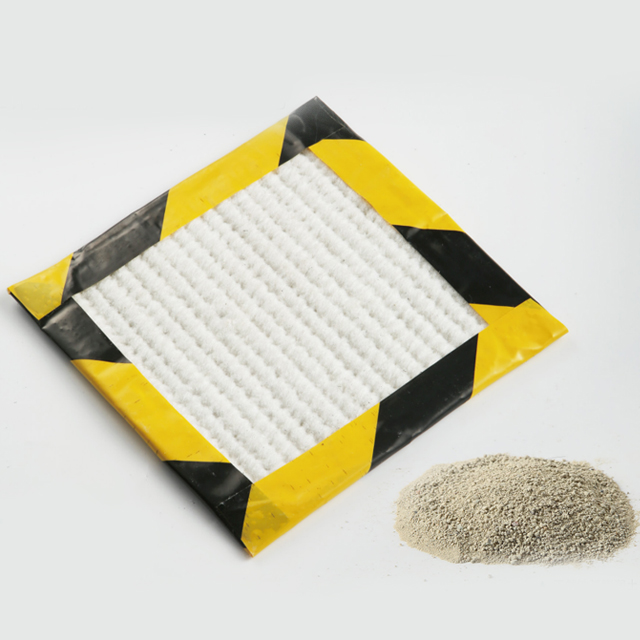
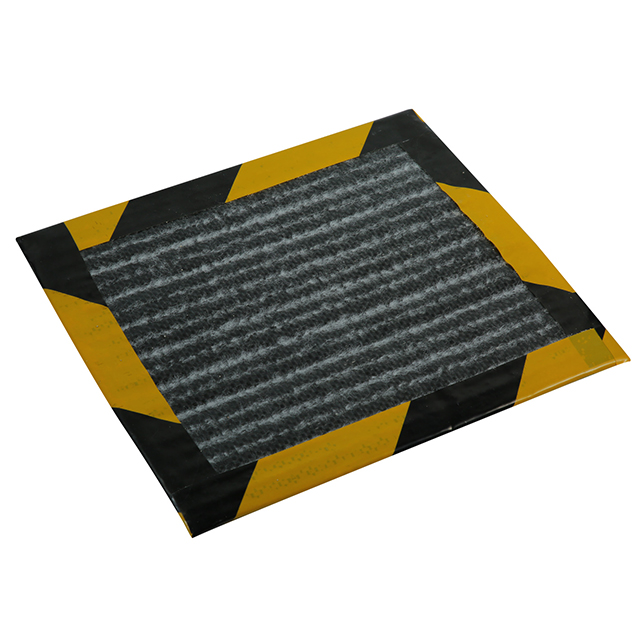
Geosynthetic Clay Liner is a composite waterproofing material designed to replace or improve traditional compacted clay liner systems. It combines the swelling capacity of natural sodium bentonite with the strength and durability of geotextiles.
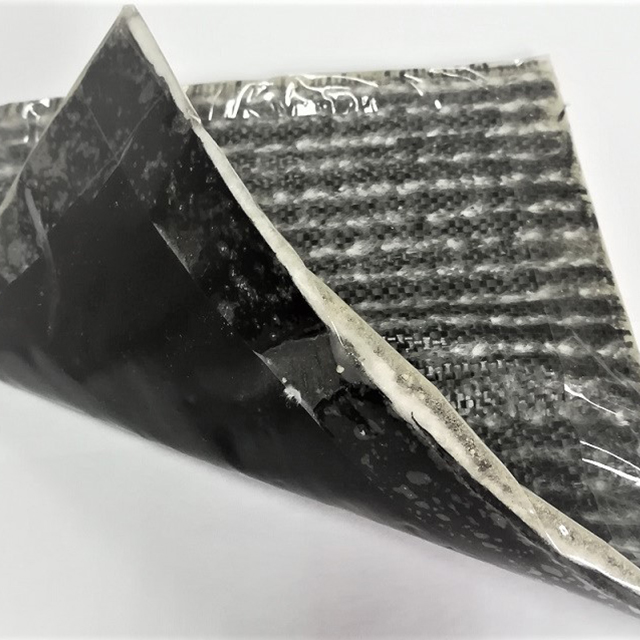
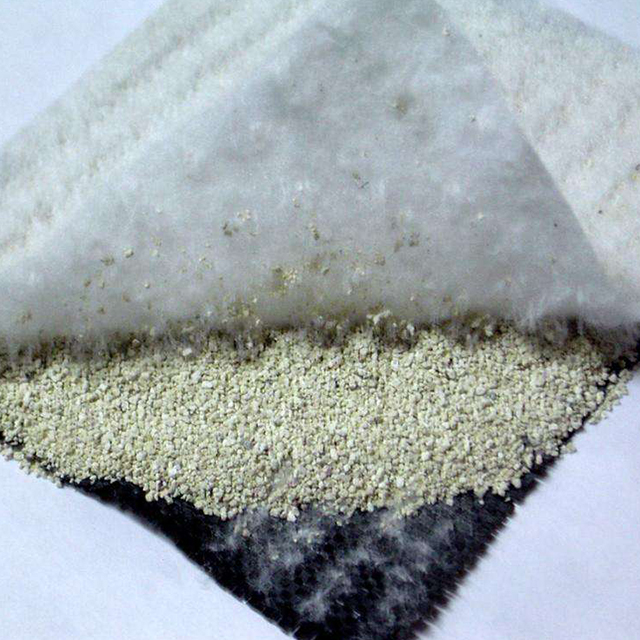
The sodium bentonite core has excellent water absorption and expansion properties. After contact with water, it swells and forms a dense waterproof layer, helping prevent liquid leakage and seepage. The upper and lower geotextile layers protect the bentonite and provide mechanical strength during transportation, installation and long-term service.
Compared with compacted clay, GCL is thinner, easier to install, more consistent in quality and more efficient for large-area construction. It is especially suitable for projects that require reliable waterproofing, short construction time and stable anti-seepage performance.
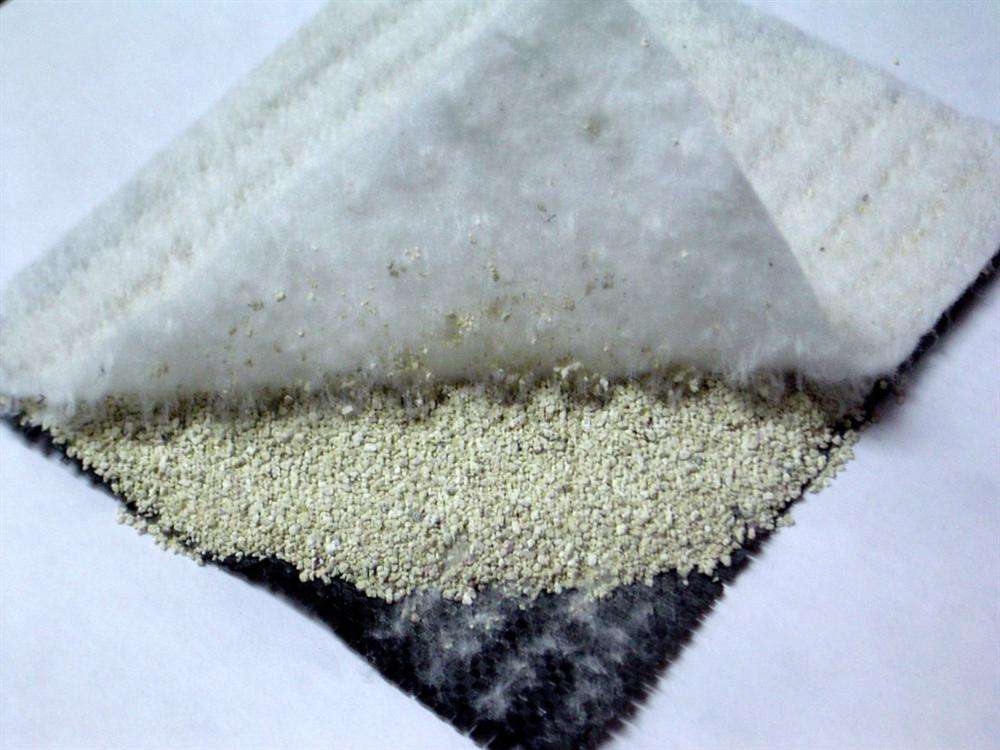
1. GCL-NP, GCL-OF;
2. Unit weight: ≥4000g/sm;
3. 4m-6m in roll width;
4.length can be produced as your requirement.
| Item | GCL-NP | GCL-OF |
|---|---|---|
| Weight per Unit Area | ≥4000g/m² | ≥4000g/m² |
| Bentonite Swell Index | ≥24 ml/2g | ≥24 ml/2g |
| Methylene Blue Absorption | ≥30 g/100g | ≥30 g/100g |
| Tensile Strength | ≥600 N/100mm | ≥700 N/100mm |
| Peel Strength, Nonwoven & Woven Fabric | ≥40 N/100mm | ≥40 N/100mm |
| Peel Strength, HDPE Film & Nonwoven Fabric | — | ≥30 N/100mm |
| Permeability | ≤5.0 × 10⁻¹¹ m/s | ≤5.0 × 10⁻¹¹ m/s |
| Hydrostatic Pressure Resistance | 0.4MPa, 1h, no seepage | 0.6MPa, 1h, no seepage |
| Filtration Loss | ≤18 ml | ≤18 ml |
| Bentonite Durability | ≥20 ml/2g | ≥20 ml/2g |
GCL-NP is a needle-punched geosynthetic clay liner made with geotextile and sodium bentonite. It is suitable for common anti-seepage, landfill, pond, reservoir, canal and construction waterproofing applications.
GCL-OF is a composite geosynthetic clay liner with improved barrier performance. It can include an additional film layer depending on project requirements, providing higher hydrostatic pressure resistance and better waterproofing performance for more demanding applications.
| Specification | Recommended Applications |
|---|---|
| ≥4000g/m² GCL | General waterproofing, ponds, canals, basement lining, landscape lakes |
| 4500g/m² GCL | Reservoirs, wastewater pits, hydraulic structures, fish farms |
| 5000g/m² GCL | Landfill liners, lagoons, industrial containment, dams |
| 5500–6000g/m² GCL | High-risk containment, hazardous waste, complex foundations, landfill capping |
| GCL-OF | Projects requiring enhanced waterproofing or higher hydrostatic pressure resistance |
For landfill, wastewater or chemical containment projects, the final specification should be selected according to project design, hydraulic pressure, subgrade condition and local engineering standards.
Geosynthetic clay liner is widely used in landfill base liner systems and landfill capping systems. It helps prevent leachate migration and protects surrounding soil and groundwater.
GCL provides reliable anti-seepage performance for wastewater ponds, sludge lagoons, industrial treatment ponds and other liquid containment systems.
The liner helps reduce seepage loss in reservoirs, ponds, artificial lakes, water storage facilities and drip irrigation ponds.
GCL can be used in canals, channels, hydraulic structures and water conservancy projects to control leakage and improve water retention.
For fish farm ponds and aquaculture projects, GCL helps maintain water levels and reduce seepage into the surrounding soil.
The liner can be used as part of dam, embankment and slope anti-seepage systems to improve overall water barrier performance.
GCL is suitable for tank farms, bund lining, containment areas and secondary containment systems where leakage control is required.
It can be used for basement lining, underground structures and foundation waterproofing to prevent groundwater seepage.
GCL can be installed in vertical barrier systems to control groundwater flow and contaminant migration.
In certain environmental and industrial applications, GCL can be used together with other geosynthetic materials for customized containment systems.

| Item | Geosynthetic Clay Liner | Compacted Clay Liner |
|---|---|---|
| Material | Sodium bentonite + geotextile | Natural clay soil |
| Thickness | Thin roll material | Thick compacted layer |
| Installation Speed | Fast | Slow |
| Quality Control | Factory-controlled | Highly dependent on site compaction |
| Space Requirement | Low | High |
| Waterproofing Mechanism | Bentonite swelling gel barrier | Soil compaction and low permeability |
| Self-Sealing Ability | Good | Limited |
| Transportation | Easy roll transportation | Requires large soil volume |
| Weather Influence | Lower | More affected by site weather |
| Landfill Airspace | Helps increase available space | Occupies more volume |
GCL is often selected when the project requires fast installation, stable quality, reduced construction space and reliable waterproofing performance.

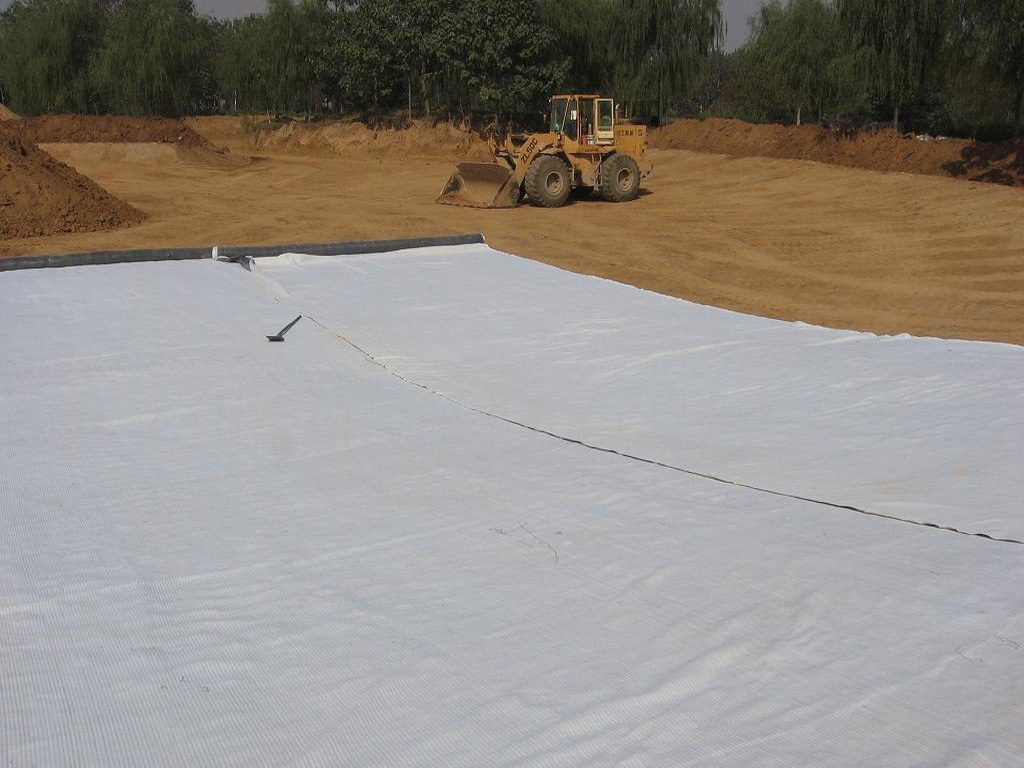
Yingfan Geosynthetic Clay Liner is supplied in rolls for convenient transportation and site installation.
Standard Packaging:
Paper tube inside each roll
Plastic bag wrapping outside
Container loading for export shipment
The current page notes that each roll is packed with a paper tube inside, wrapped into a plastic bag, and then loaded into containers.
Custom Options:
Roll width
Roll length
Unit weight
Product type
Packaging label
Project-based loading plan
Bentonite GCL is used for landfill liners, landfill caps, wastewater pits, reservoirs, ponds, canals, dams, tank lining, basement lining and environmental containment projects.
The standard unit weight is ≥4000g/m², and other specifications can be customized according to project requirements.
The roll width is generally 4m to 6m. Roll length can be produced according to customer requirements.
GCL-NP is a needle-punched geosynthetic clay liner. GCL-OF is a composite type designed for enhanced waterproofing performance and higher hydrostatic pressure resistance, depending on project requirements.
In many projects, GCL can be used as an alternative or supplement to compacted clay liner. It offers thinner thickness, faster installation, more stable factory-controlled quality and better construction efficiency.
Yes. Sodium bentonite swells after absorbing water and can help seal small punctures or minor defects.
Yes. GCL is often used together with HDPE geomembrane to form a composite liner system for landfill, wastewater and high-risk containment projects.
GCL should be stored in a dry, flat area and protected from rain, moisture and mechanical damage before installation.
Long-term exposure is not recommended. GCL should be covered with soil, geomembrane or other protective materials soon after installation to prevent premature hydration and damage.
The current page FAQ lists MOQ as usually 2000sqm per color.
The current page FAQ lists delivery time as about 14 days after receiving the deposit.
Looking for a reliable geosynthetic clay liner for landfill, reservoir, pond, wastewater or construction waterproofing projects?
Contact Yingfan today to get product specifications, technical datasheets, samples and a customized quotation.


