

Views: 0 Author: Site Editor Publish Time: 2026-02-16 Origin: Site


What keeps landfills safe from leaks? Geosynthetic clay liner systems are key barriers.This geosynthetic clay liner specification and price guide explains costs.
It also shows how ASTM standards shape performance.In this article, you will learn pricing factors and core specs.Yingfan geosynthetic clay liner products offer reliable containment options.
A geosynthetic clay liner specification is a technical description of the liner’s required performance, structure, and material composition. It defines how much bentonite must be included, what type of geotextile reinforcement is used, and what permeability limits must be achieved. Engineers rely on these specifications because containment projects demand predictable hydraulic performance over decades. If specifications are too weak, leakage risks increase. If they are overly strict, costs rise unnecessarily. A good specification balances safety, compliance, and cost-effectiveness. When buyers compare clay liner specifications, they should always focus on measurable test values rather than vague product descriptions. Many manufacturers, including Yingfan’s needle-punched GCL series, design their product data around these measurable benchmarks.
Engineers evaluate geosynthetic clay liner specification requirements through key performance indicators such as hydraulic conductivity, bentonite swell index, and tensile strength. Hydraulic conductivity measures how well the liner prevents seepage. Swell index indicates how effectively bentonite expands to seal punctures. Strength indicators ensure the liner can resist installation stresses and slope stability challenges. These metrics are important because they connect directly to real-world performance. For example, higher bentonite mass improves sealing but increases material cost. Stronger reinforcement reduces failure risk but may require premium manufacturing methods, which is why some engineered GCL products are positioned as long-term containment solutions rather than commodity liners.
Specifications matter because containment systems are expected to last 30 to 50 years or more. A landfill liner failure can cause groundwater contamination, legal penalties, and costly repairs. In mining containment, chemical resistance and durability become critical for preventing tailings seepage. By meeting ASTM standard specifications, geosynthetic clay liners provide consistent and verified performance. Strong specifications reduce uncertainty and help project owners justify investment. They also allow suppliers to provide comparable products, making supplier pricing comparison more transparent and reliable. Established brands such as Shanghai Yingfan Engineering Material often support this process through ISO-certified manufacturing and standardized quality documentation.
Many buyers misinterpret specifications by focusing only on thickness or price. Thickness alone does not guarantee performance if bentonite quality is poor. Another mistake is ignoring test standards, such as ASTM D5887 for permeability or ASTM D5890 for swell index. Some projects fail because installation requirements were not included in the specification, leading to seam leakage. Buyers should also avoid choosing the cheapest option without verifying minimum average roll values. Proper understanding of geosynthetic clay liner specification requirements prevents these risks and ensures long-term cost savings.
Tip: Always request ASTM-certified test data before approving a supplier quote for a containment project, especially when sourcing from large-scale exporters such as Yingfan Geosynthetics.
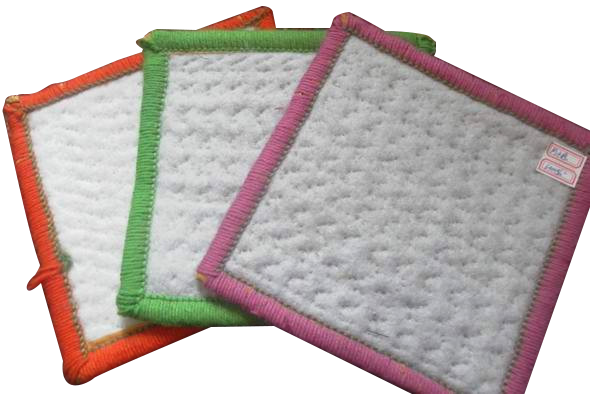
ASTM D5993 defines the bentonite mass per unit area, which is one of the most important geosynthetic clay liner specification requirements. Bentonite mass directly affects swelling capacity and sealing performance. Typical minimum values are around 3.7 kg/m² or higher, depending on application risk. If the bentonite layer is too light, hydraulic performance may degrade over time. Higher bentonite mass increases raw material use, which raises cost. Engineers must match bentonite mass requirements to the specific containment environment. Many commercial GCL products, including Yingfan’s standard range, are produced in the 4000–6000 g/m² category for mainstream landfill and pond applications.
ASTM D5890 measures the swell index of bentonite, usually requiring at least 24 mL/2g for sodium bentonite liners. Swell index is critical because it determines self-sealing capacity when hydration occurs. A high swell index means the liner can close small punctures, reducing maintenance needs. However, premium sodium bentonite is more expensive than calcium bentonite alternatives. Therefore, bentonite quality benchmarks are a major driver in geosynthetic clay liner cost estimation guide calculations.
Hydraulic conductivity is the core performance requirement for GCL liners, governed by ASTM D5887. Typical limits are ≤5×10⁻⁹ cm/sec or lower. This low permeability ensures containment efficiency in landfills and hazardous waste sites. Projects with stricter environmental regulations may require even lower conductivity. Achieving these values often requires thicker liners or polymer-modified bentonite, which raises price. Buyers should understand that lower permeability directly improves protection but increases material cost. Some needle-punched systems marketed by Yingfan highlight extremely low flux values for high-compliance containment projects.
Mechanical strength requirements ensure that GCLs survive installation and remain stable on slopes. ASTM D6768 measures grab tensile strength, while ASTM D6496 evaluates peel strength. Internal shear strength is tested under ASTM D6243. These metrics matter because weak reinforcement can lead to liner displacement or seam separation. Stronger liners may cost more, but they reduce failure risks in high-stress environments such as mining tailings ponds or steep landfill caps.
Sodium bentonite is the key sealing component in geosynthetic clay liners. It can swell 15 to 17 times its volume when hydrated, forming a dense impermeable barrier. This swelling behavior provides the liner’s self-healing advantage, which makes it more reliable than compacted clay in many cases. High-quality sodium bentonite improves hydraulic conductivity performance but adds cost. Buyers should evaluate swell index benchmarks to ensure long-term containment reliability. Yingfan’s GCL products typically use natural sodium bentonite to achieve strong self-sealing performance.
Geotextiles provide structural support and protect the bentonite core. Nonwoven geotextiles improve puncture resistance, while woven layers provide tensile strength. Reinforcement is critical during installation because liners experience pulling, folding, and stress from overburden soil. Strong geotextiles increase durability but also contribute to higher geosynthetic clay liner price per square meter. Selecting the right reinforcement level depends on slope angle and loading conditions.
Composite GCLs include an attached geomembrane layer, often HDPE, which improves impermeability and chemical resistance. These liners are preferred for high-risk applications like hazardous waste landfills. Composite systems cost more than standard needle-punched liners, but they reduce leakage probability significantly. Buyers comparing GCL membrane cost should consider that composite liners may offer better lifecycle value even if upfront cost is higher. Full-solution suppliers like Yingfan often provide both GCL and geomembrane systems for integrated containment design.
Thickness typically ranges from 4 to 10 mm, while density depends on bentonite mass and geotextile type. Lightweight liners suit ponds, while thicker liners are used in landfills and mining containment. Higher density improves sealing and strength but increases raw material consumption. Engineers should match thickness and density specs to project risk level, balancing performance requirements against cost constraints.
Most geosynthetic clay liners fall within a thickness range of 4 to 10 mm. Thin liners are often chosen for ponds and canals, where hydraulic demands are moderate. Thicker liners are used in landfills, where regulatory compliance is stricter. Thickness influences both cost and installation handling. Thicker liners weigh more, requiring additional equipment and labor. Buyers should avoid assuming that thicker always means better, because bentonite quality and reinforcement also matter.
Bentonite mass per unit area is one of the most direct cost drivers. Standard liners may use 3.7 to 4.8 kg/m², while heavy-duty liners can reach 5.5 to 6 kg/m². Higher bentonite mass improves self-sealing and lowers permeability. However, it also increases material-only price. Engineers should specify bentonite mass based on containment risk, ensuring cost-effective performance rather than overdesign.
Thicker liners improve puncture resistance and provide more bentonite for sealing. They often achieve better hydraulic conductivity results under ASTM D5887. However, thicker liners require more raw materials and heavier transportation loads. This increases geosynthetic clay liner cost estimation guide figures. Performance gains must be weighed against budget constraints. In many cases, standard 6 mm liners provide sufficient containment for municipal landfill projects.
Risk level is the key factor when selecting specifications. Low-risk water containment may only require moderate thickness and standard bentonite mass. High-risk hazardous waste containment demands composite liners with strict permeability limits. Mining applications may require chemical resistance and high tensile strength. By aligning specifications with risk, buyers can avoid unnecessary cost escalation while still ensuring compliance.
Material-only prices typically range from $1.50 to $5.00 per square foot, or roughly $16 to $54 per square meter. This variation depends on bentonite quality, liner type, and manufacturing method. Standard needle-punched liners are less expensive than composite liners. Buyers comparing geosynthetic clay liner supplier pricing should confirm whether quotes include reinforcement upgrades or additives. Material-only pricing is useful for early-stage budgeting but does not reflect full project cost. Large-scale manufacturers such as Yingfan often support bulk orders with stable production capacity for infrastructure projects.
Installed costs average between $4.00 and $7.00 per square foot, including labor, equipment, and site preparation. Subgrade smoothing, overlap sealing, and protective cover layers all add expense. Labor rates vary by region, making installation cost a major variable. Projects in remote areas also face higher freight costs. Installed cost breakdowns provide a more realistic view of total investment.
The following table summarizes typical pricing ranges:
Cost Category | Low Range | High Range | Notes |
Material Only Price | $1.50/ft² | $5.00/ft² | Depends on liner type |
Installed Cost | $4.00/ft² | $7.00/ft² | Includes labor and prep |
Bulk Discount Potential | 10% | 25% | Large projects benefit |
These ranges help project managers estimate budgets before requesting supplier quotes.
Early budgeting should combine material cost, installation cost, and contingency for site-specific conditions. Engineers should also consider long-term savings from reduced maintenance. Choosing a slightly higher-quality liner may prevent expensive repairs later. A structured geosynthetic clay liner cost estimation guide ensures that budgets reflect both upfront and lifecycle costs.
Note: Installed cost is often 30–50% higher than material-only pricing due to labor and site preparation.
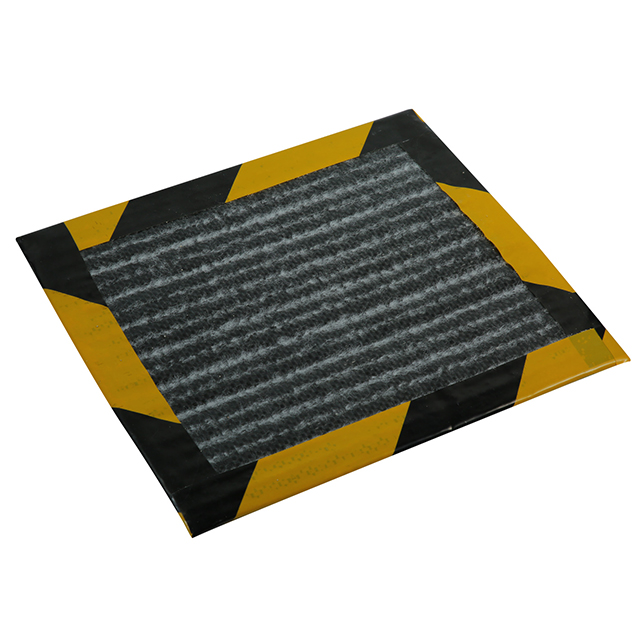
High-quality sodium bentonite with swell index above 24 mL/2g increases cost by 10–15%. However, it improves self-sealing and reduces leakage risk. Lower-quality bentonite may save money upfront but can lead to failures. Therefore, bentonite quality is one of the most important factors in geosynthetic clay liner price per square meter calculations.
Needle-punched liners dominate the market because they balance strength and cost. Stitched liners may provide higher friction resistance but cost more due to polymer coatings. Composite liners with geomembranes are the most expensive option. Manufacturing choice affects both performance and price, so buyers must align liner type with application requirements.
Large projects benefit from bulk purchasing discounts of 10–25%. Standard roll sizes also reduce waste. Custom roll widths increase cost due to manufacturing inefficiency. Buyers should plan procurement carefully, as order volume can significantly reduce per-unit cost.
Regional labor costs, regulatory requirements, and shipping distances all influence price. North America typically has higher installed costs than Asia-Pacific. Remote projects face added freight charges. Local sourcing can reduce transportation expense but may limit supplier options.
Landfills require strict permeability limits and high shear strength. Typical liners are 6–8 mm thick with bentonite mass around 4.8–5.2 kg/m². Costs range from $2.00 to $5.00 per square foot depending on liner type. Composite systems may be chosen for hazardous waste sites. Landfill projects benefit from bulk purchasing due to large surface area requirements.
Mining tailings ponds demand chemical resistance and strong tensile reinforcement. Liners may need higher swell index bentonite and composite structures. Costs are often higher, ranging from $2.50 to $5.00 per square foot. Failure risks are severe, making specification compliance essential.
Ponds and canals often use thinner liners around 4–6 mm. These projects prioritize cost-effectiveness while still reducing seepage. Prices may be as low as $1.50 per square foot. UV stabilization may be required if exposure occurs, adding small cost increases.
Remediation projects often require liners that prevent contaminant migration. Specifications may include conductive layers for leak detection. Costs are typically higher due to stricter compliance requirements. These projects highlight the importance of balancing cost and performance.
Supplier quotes should be evaluated based on ASTM compliance, bentonite quality, and included installation guidance. The cheapest quote may omit critical reinforcement or testing documentation. Buyers should request full specification sheets and confirm minimum average roll values.
Certified suppliers provide consistent quality control and long-term warranties. Low-cost alternatives may lack reliable testing, increasing failure risk. Investing in certified products often reduces lifecycle cost through fewer repairs and better containment performance. Yingfan, for example, positions itself as a one-stop geosynthetics supplier with ISO-backed production standards.
Buyers should ask whether quotes include material-only pricing or installed pricing. They should confirm bentonite mass, swell index, and geotextile strength. Shipping and lead time should also be clarified. These questions ensure accurate budget planning.
Cost-effectiveness does not mean choosing the cheapest product. It means selecting the liner that meets specifications without unnecessary overdesign. Compliance requirements must always guide procurement decisions.
Tip: For large landfill projects, bulk purchasing can reduce unit cost by up to 25% while maintaining specification compliance.
Subgrade preparation includes grading, debris removal, and smoothing. Poor preparation increases puncture risk and repair costs. Preparation costs range from $0.10 to $0.50 per square foot. This step is critical for long-term liner integrity.
Overlap seams typically require 12–18 inches to ensure hydraulic continuity. Improper overlaps cause leaks and reduce containment performance. Seam treatment may require bentonite powder or sealant tapes. Compliance with installation standards protects project investment.
Labor accounts for the largest share of installation cost, often $1.50–$3.00 per square foot. Equipment rental adds additional expense. Skilled installers reduce errors, saving money over the project lifecycle.
Common errors include inadequate overlap, dragging liners across rough surfaces, and insufficient cover soil placement. These mistakes lead to leakage and expensive repairs. Proper training and oversight reduce these risks.
Compacted clay liners require heavy earthwork and longer installation time. GCLs install faster and often cost 20–30% less overall. They also provide consistent permeability performance, making them a preferred option in many projects.
Geomembranes may have lower upfront cost but lack self-sealing properties. Small punctures can lead to leakage. GCLs offer self-healing bentonite swelling, reducing maintenance needs.
Composite liners combine GCL and geomembrane benefits. They cost more but provide enhanced impermeability. High-risk hazardous waste projects often justify this higher investment.
The following table compares liner systems:
Liner System | Upfront Cost | Self-Sealing | Typical Use Case |
Standard GCL | Medium | Yes | Landfills, ponds |
Compacted Clay | High | No | Traditional sites |
Geomembrane Only | Low-Medium | No | Short-term containment |
Composite GCL | High | Yes | Hazardous waste sites |
Lifecycle ROI often favors GCL systems due to reduced installation and maintenance costs.
Bentonite and polymer prices fluctuate with mining and oil markets. Recent supply constraints have increased costs by 5–10% (data needs verification). Buyers should consider long-term contracts for large projects.
Sustainable liners with recycled geotextile content are emerging. These products may cost slightly more but reduce environmental footprint. Regulations may drive adoption in future infrastructure projects.
Conductive layers and sensor systems improve monitoring. These technologies add 10–20% to cost but increase reliability. They may become standard in high-risk containment.
Growing infrastructure development in Asia-Pacific increases demand for GCLs. Stricter landfill regulations worldwide may tighten supply, raising prices moderately over the next decade.
This geosynthetic clay liner specification and price guide shows how specs shape cost and performance. ASTM standards control bentonite quality, permeability, and strength for safe containment. Material prices range from $1.50–$5.00 per square foot, while installed systems average $4.00–$7.00. Key drivers include thickness, manufacturing, scale, and installation needs. Yingfan geosynthetic clay liner products add value through self-sealing bentonite and durable barrier protection.
A: A geosynthetic clay liner specification requirement defines bentonite mass, swell index, and permeability under ASTM standards.
A: A geosynthetic clay liner cost estimation guide shows material prices of $1.50–$5.00/ft², plus installed costs.
A: They ensure long-term containment strength, hydraulic conductivity, and reliable performance.
A: Geosynthetic clay liner supplier pricing comparison depends on thickness, quality, and project scale.


