

Views: 0 Author: Site Editor Publish Time: 2026-08-01 Origin: Site


Sourcing geosynthetics at scale amplifies both project savings and critical structural risks. In major infrastructure projects like highway subgrades or towering retaining walls, utilizing sub-standard materials leads to premature localized failures. These structural breaches quickly trigger catastrophic maintenance costs. They derail your entire project budget easily. Procurement teams frequently struggle against aggressive budget constraints. They must balance these budgets against rigid engineering specifications. This specific challenge peaks during international manufacturer vetting. Differing production standards complicate your purchasing decision immensely. You need a reliable method to separate premium suppliers from inconsistent vendors. We offer estimators and civil engineers an evidence-based framework. It helps you evaluate material quality properly. You will learn how to accurately assess supplier credibility. You will secure predictable long-term performance. We will show you exactly how to procure a premium bulk PP geogrid successfully. You can acquire the right materials without overpaying on your next large-scale development.
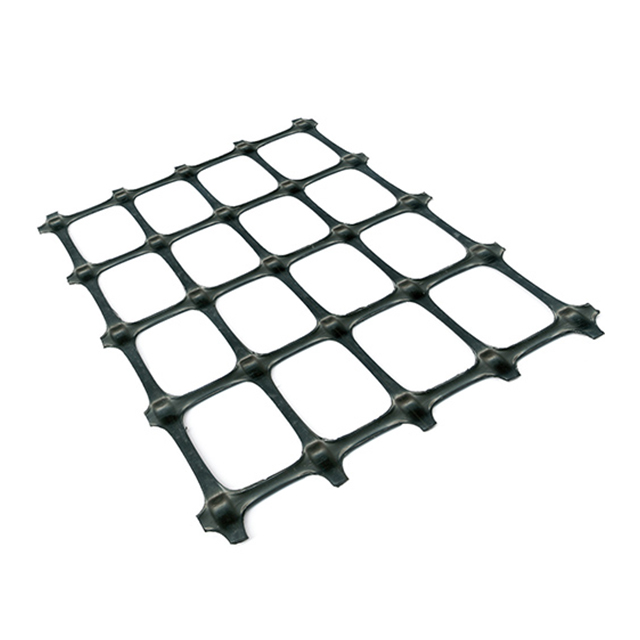
We must understand how these geosynthetic materials perform beneath the surface. The interlocking mechanism forms the foundation of modern ground stabilization. Aperture geometry and rib thickness interact directly with your specific base course materials. When you place gravel or crushed stone over the grid, aggregates push into the open spaces. The stiff ribs confine this lateral movement effectively. This confinement prevents rutting from heavy wheel loads. It ultimately extends the structural pavement life.
Many estimators focus strictly on ultimate tensile strength. However, high ultimate tensile strength means little if junction integrity fails under stress. The nodes where intersecting ribs meet must withstand immense shear forces. If these junctions break or tear, the entire load distribution system collapses. You must evaluate the junction efficiency closely. This metric proves how much load transfers across the grid.
You also need to prioritize creep resistance for long-term safety. Engineers define this critical metric as long-term design strength (LTDS). High-grade polypropylene resists physical deformation under sustained infrastructure loads over several decades. Lower-grade materials slowly stretch and lose tension over time. This stretching leads to eventual surface settlement.
Empirical validation proves these theoretical performance claims. You must demand raw testing data from manufacturers. Review standard tests like ASTM D6637 for evaluating tensile properties. The lab grips the ribs, applies tension, and measures the strain precisely. Verifying bulk PP geogrid specifications through independent lab results ensures your engineering assumptions match field reality. You cannot rely on marketing brochures for structural design values.
Producing geosynthetics accurately requires immense process control at the factory level. Raw material purity dictates the fundamental lifespan of your grid. Some manufacturers use excessive recycled resins to artificially lower their production costs. This cost-cutting measure severely compromises UV resistance and increases cold-weather brittleness. Every time plastic melts and reforms, its polymer chains degrade. You risk sudden material fractures during winter installations if the resin lacks purity.
The extrusion and punching process determines final structural rigidity. Manufacturers melt virgin polypropylene pellets and extrude them into a thick flat sheet. They punch precise hole patterns into the cooled sheet. Next, they draw the material under intense heat in a long oven. Temperature control during this drawing technique aligns the molecular orientation perfectly. Proper molecular alignment creates the immense stiffness civil engineers demand. If temperatures fluctuate, weak spots form across the roll.
Quality control in high-volume runs prevents catastrophic field failures. Buying infrastructure procurement bulk PP geogrid requires strict statistical process control (SPC). You need absolute assurance ensuring Roll #1 performs identically to Roll #1,000. Establish strict success criteria for batch testing before signing any purchase orders. Random sampling must occur at predetermined intervals during the shift.
Consider these essential factory checks for your next order:
Clean cuts prevent stress concentrations leading to tears under load. You must hold the factory accountable for every production variable.
Standard roll sizes and standard apertures do not fit every complex site. Sometimes you must request a custom bulk PP geogrid to overcome unique engineering challenges. Aggregate matching provides the strongest reason for this customization. You want aperture sizes matching your specific local fill materials perfectly. For instance, coarse railway ballast requires much larger grid openings than fine highway sub-base gravel. When the grid openings match the average aggregate diameter, you maximize the interlocking effect. This tailored approach locks the base course tighter than off-the-shelf options.
Logistical customization drives incredible project efficiency. Standard rolls might leave excessive overlap waste on your specific road width. Specifying custom roll widths and lengths optimizes your shipping container utilization. You pack more material into every standard 40-foot freight container. Custom lengths also reduce overlap waste during on-site deployment. Crews spend less time cutting materials and more time laying them down. You save money on material waste and expensive hourly labor.
Site-specific enhancements protect your investment during unforeseen delays. Phased construction often exposes base materials to sunlight for extended periods. Standard UV protection might degrade before the final asphalt paving occurs. You can address these risky scenarios by requiring specialized polymer additives. Requesting enhanced carbon black concentrations ensures prolonged UV exposure protection. You might also request flame-retardant additives for specific tunnel applications. Customizing the chemical makeup gives you total control over project risks.
Sourcing materials globally introduces significant supply chain vulnerabilities into your project. You must distinguish true source factories from intermediate trading companies quickly. Focus heavily on machinery capacity and ISO 9001 certifications during your factory audits. A legitimate bulk PP geogrid supplier will gladly showcase their production lines via live video. Traders often obscure the actual manufacturing origin and refuse live factory tours. You must verify CE marking documentation directly through the issuing notified body.
Demand rigorous traceability protocols from your chosen manufacturing partner. You need specific lot-number tracking printed directly on the material rolls. Ensure they maintain retained physical sample policies for every batch produced. If a site failure occurs five years later, you need strict accountability. You must be able to trace the failed section back to its exact production shift. This paper trail protects your firm from liability.
Evaluate lead time and production capacity realities objectively. Multi-year infrastructure phases require complex, staggered delivery schedules. Your supplier must handle these schedules without incurring dangerous storage bottlenecks. They also need financial stability absorbing sudden raw material price shocks. Global oil prices directly impact polypropylene resin costs. Assess their warehouse space and resin procurement strategies carefully.
To evaluate a supplier effectively, watch out for these common mistakes:
Clear communication ensures your engineering requirements translate accurately onto the factory floor.
Procurement managers often fixate solely on the initial unit prices. This narrow focus ignores massive hidden expenses associated with earthworks. We must analyze the entire cost structure to make informed purchasing decisions.
Direct material costs form the absolute baseline of your budget. Global polypropylene index pricing heavily influences this number daily. Regional manufacturing efficiencies and energy costs also alter the baseline quote. You must track resin commodity prices to understand if a vendor quote remains fair. Unusually cheap quotes usually indicate high levels of recycled plastic.
Freight and logistics economics drastically alter landed project costs. Roll rigidity and packaging density affect container loading volumes heavily. If rolls pack loosely, you pay exorbitant fees shipping empty air. Dense packaging configurations lower the freight cost per square meter significantly. You must ask the factory for precise loading quantities regarding a 40HQ container.
Installation economics provide the absolute largest secondary savings. Selecting the right rigid biaxial structure reduces the required aggregate base depth. This engineered reduction drives major savings across bulk material transport. You buy significantly less crushed stone and pay for fewer dump trucks. Earth-moving labor decreases substantially when you excavate shallower subgrades. Excavators burn less diesel, and projects finish weeks ahead of schedule.
Here is a chart summarizing how different specification choices impact project budgets directly:
| Cost Category | Standard Specification Impact | Optimized Specification Impact | Net Financial Benefit |
|---|---|---|---|
| Aggregate Base Depth | Requires thicker base course layers to hit targets. | Reduces base thickness via high junction efficiency. | Lowers aggregate purchase and heavy trucking costs. |
| Roll Dimensions | Standard rolls cause overlap waste on wide roads. | Custom widths match the road layout perfectly. | Reduces material waste and expensive labor hours. |
| Freight Density | Standard packaging limits overall container volume. | High-compression packaging maximizes interior space. | Decreases per-roll international shipping and port fees. |
| Deployment Speed | Curling rolls require more crew members to flatten. | Rigid, flat-laying grids unroll straight easily. | Accelerates daily installation rates and cuts labor. |
Successful procurement bridges the vital gap between engineering mandates and commercial viability. You achieve this balance through rigorous supplier vetting and demanding data-backed specifications. Sub-standard resins and weak junction nodes hide behind cheap quotes. Protect your infrastructure projects by verifying factory capabilities and securing independent lab tests.
Procurement managers should take immediate action. Finalize your technical data sheets based on local aggregate profiles. Initiate the RFQ process by requesting specific batch-test reports. Always demand physical sample materials for conducting localized aggregate interlocking tests. These proactive steps guarantee reliable road performance and secure your long-term project budget.
A: Standard production cycles for custom orders typically range from 14 to 21 days. International shipping adds 30 to 45 days depending on the destination port. Domestic sourcing cuts freight time to mere days but often features higher manufacturing backlogs. Always forecast a 60-day window for international custom orders.
A: Prolonged UV exposure degrades polypropylene molecular structures, causing extreme brittleness. Manufacturers add carbon black to absorb UV radiation and protect the polymer chain. Standard grids withstand roughly 30 days of direct exposure before degradation begins. You should specify higher carbon black content for projects facing extended paving delays.
A: Yes. Civil engineers use Traffic Benefit Ratio (TBR) and Base Course Reduction (BCR) principles to optimize designs. Upgrading to a grid featuring superior junction efficiency and stiffness increases lateral confinement. This enhanced confinement allows engineers to safely reduce the aggregate base depth without sacrificing road load capacity.
A: You must request Mill Test Certificates (MTC) detailing the exact resin properties. Demand recent independent lab validations from accredited facilities like TRI Environmental or BTTG. You should also secure a detailed warranty document outlining terms for long-term design strength and creep resistance under specific load conditions.


