

Views: 0 Author: Site Editor Publish Time: 2025-04-03 Origin: Site


If you are planning a project that requires reliable waterproofing, you have probably heard about geomembrane products. But when you start exploring further, you realize not all geomembranes are created equally. Depending on the application, choosing the right type of geomembrane liner can make a huge difference in your project's success.
In this article, we’ll explain the three main types of geomembrane, where they are used, and why companies like Shanghai Yingfan Engineering Material Co., Ltd., a leading geomembrane china supplier, are trusted globally. Whether you are researching pond liners, koi pond liner solutions, or need guidance on the best pond liner material, this complete guide will answer all your questions.
Simply put, a geomembrane is a waterproof synthetic liner designed to control fluid movement. It acts as an invisible but critical barrier to contain liquids or prevent seepage.
Industries like aquaculture, farming, environmental engineering, and construction depend heavily on quality products like hdpe geomembrane and geomembrane pond liner solutions to maintain efficiency and environmental safety.
Shanghai Yingfan’s products, such as their premium HDPE geomembrane liner and geosynthetic clay liners, are recognized for delivering consistent performance in the most demanding applications.
There are three major types of geomembrane commonly used across different industries:
| Type | Material | Ideal Applications |
|---|---|---|
| HDPE Geomembrane | High-Density Polyethylene | Landfills, reservoirs, aquaculture ponds |
| LLDPE Geomembrane | Linear Low-Density Polyethylene | Decorative ponds, flexible farm ponds , tailing waste/leachate mining |
| PVC Geomembrane | Polyvinyl Chloride | Temporary ponds, small water containment areas |
HDPE geomembrane is the most popular choice because of its outstanding chemical resistance, UV stability, and mechanical strength. It is extensively used in projects like artificial lake pond application, large aquaculture ponds, and landfills.
For those seeking a long-lasting fish pond liner or a durable farmers market pond liner replacement, HDPE geomembrane liners offer superior performance. Shanghai Yingfan’s hdpe geomembrane products are manufactured under strict ISO certifications to ensure excellent quality.
Many customers looking for small pond liner solutions also prefer hdpe geomembrane because of its reliability in various climates.
LLDPE geomembrane is more flexible than HDPE, making it ideal for projects that require the liner to conform to uneven surfaces. It is often chosen for backyard water features and temporary water storage needs.
If you are considering a plastic pond liner for a flexible application or a blue pond liner for a decorative look, LLDPE geomembrane can be a smart choice. Shanghai Yingfan provides various pond liner materials to match specific project requirements, offering versatility and affordability.
PVC geomembrane is highly flexible and easy to install, making it perfect for small-scale decorative ponds or containment needs that do not require extreme durability.
For a quick and cost-effective solution, especially for smaller installations like koi pond liners or plastic fish pond liners, PVC is commonly selected. However, it typically has a shorter lifespan compared to HDPE and LLDPE options.
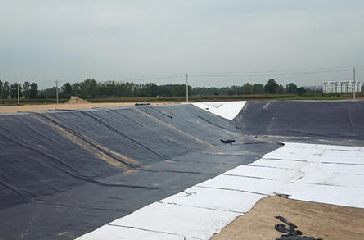
Here’s a simple breakdown to help you choose the best pond liner material:
| Feature | HDPE Geomembrane | LLDPE Geomembrane | PVC Geomembrane |
|---|---|---|---|
| Flexibility | Moderate | High | Very High |
| UV Resistance | Excellent | Good | Moderate |
| Lifespan in the sun | 20–30 years | 15–25 years | 10–15 years |
| Applications | Large ponds, landfills | Decorative lakes, small ponds | Temporary ponds |
If your project is focused on building a commercial fish farming pond or replacing a farmers market pond liner, HDPE geomembrane liner would likely be your best bet.
For an artificial lake pond application, durability and impermeability are crucial. Shanghai Yingfan's HDPE geomembrane sheets offer excellent protection against leaks, ensuring long-term stability for man-made lakes.
Fish farming operations require safe, non-toxic containment. The best pond liners for aquaculture are usually HDPE geomembrane liners or rubber pond liners, offering long-term water retention and safe environments for fish and shrimp.
Many fish farmers opt for a koi pond liner or a blue pond liner to achieve both function and aesthetics. Yingfan’s specialized fish pond liners are designed for ease of installation and extended service life.
When traditional ponds at farmers markets begin to crack and leak, the best solution is a high-quality geomembrane pond liner. Replacing old clay or concrete ponds with a robust hdpe geomembrane sheet ensures decades of trouble-free operation.
Selecting the right liner involves considering:
Project size and type
Exposure to sunlight and chemicals
Desired lifespan
Budget considerations
Shanghai Yingfan offers both HDPE and LLDPE options with custom thicknesses, colors like black or blue pond liner, and installation accessories to suit a wide variety of needs.
Additionally, related products like drainage boards and geotextiles can be integrated into pond and lake construction projects for enhanced performance.
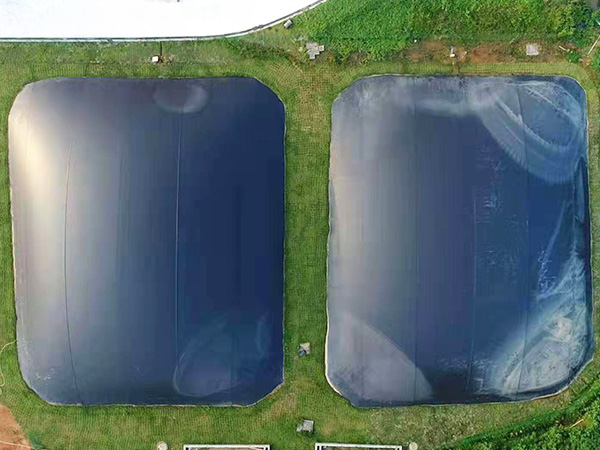
Modern pond liner trends include:
Rising demand for eco-friendly and recyclable pond liner material
Increased use of blue pond liners for visual enhancement in decorative ponds
Smart geomembrane installation techniques utilizing GPS for precision
Expanding applications in agriculture and aquaculture, driving the popularity of plastic pond liner and rubber pond liner solutions
Farmers, aquaculture companies, and environmental engineers are constantly looking for innovations that combine strength, flexibility, and sustainability.
A1: The three main types are HDPE geomembrane, LLDPE geomembrane, and PVC geomembrane, each suited to different containment applications based on flexibility and durability needs.
A2: HDPE geomembrane liner is often the best choice for fish ponds due to its excellent durability, UV resistance, and non-toxic properties.
A3: Choose a koi pond liner made from HDPE or LLDPE for durability, flexibility, and resistance to sun exposure. Blue pond liner options are also popular for aesthetics.
A4: Geomembrane price depends on material type, thickness, and size. It’s best to request a quote from a certified supplier like Shanghai Yingfan for project-specific pricing.
A5: Yes, plastic pond liners made from LLDPE or PVC are perfect for small backyard ponds, offering easy installation and reliable water retention.
A6: A well-installed HDPE geomembrane pond liner can last over 20 years, while PVC or LLDPE liners might last around 10–20 years depending on exposure conditions.


