

Views: 0 Author: Site Editor Publish Time: 2026-07-16 Origin: Site


Engineers face a persistent challenge during civil site preparation. You must balance absolute fluid impermeability against severe mechanical damage. Earthworks rarely provide perfectly smooth subgrades. Bare plastic liners often fail under point-loading pressure from underlying rocks. A single-geotextile composite geomembrane provides a highly engineered solution to this exact problem. We define this material precisely as a two-layer geosynthetic. It consists of one impermeable polymer layer thermally bonded to a single non-woven fabric layer. The solid polymer layer blocks liquids completely. The attached fabric layer simultaneously cushions the system against punctures. Project engineers and procurement managers must evaluate these materials carefully. You need to know if this specific configuration meets your site demands. We will explore how this structure compares to bare plastic liners or triple-layer alternatives. You will learn about interface friction angles, mechanical loads, and installation realities. This technical guide helps you determine if the one-sided fabric approach matches your precise containment goals.
Single-geotextile composite geomembrane is primarily used for projects requiring high puncture resistance on one face, typically laid against rough subgrade soils.
The most common applications include artificial lakes, reservoir linings, and landfill capping, where slope stability and single-sided abrasion protection are critical.
Choosing this configuration over standard bare liners reduces subgrade preparation costs while mitigating the risk of long-term membrane puncture.
Proper installation requires specialized dual-track wedge welding to ensure the geotextile backing does not interfere with the impermeable membrane seam.
Earthworks seldom produce a perfectly smooth surface. Heavy machinery leaves behind ruts, exposed roots, and jagged stones. Bare membranes remain highly susceptible to point-loading punctures in these environments. Rocks and uneven subgrade soils press sharply against the polymer barrier once fluid fills the basin. The integrated fabric layer acts as a vital built-in cushion. It absorbs and distributes localized pressure effectively across a wider area. This stress dispersion prevents sharp objects from piercing the delicate fluid barrier. Project teams can save significant time on initial subgrade preparation. You do not need to import expensive fine sand to bed the liner. The textile backing handles minor soil irregularities safely and reliably.
Designing steep inclines introduces serious sliding risks for cover materials. A standard bare waterproof liner features a very low surface friction angle. Soil or overlying materials can easily slip down the slope after heavy rain. The rough texture of the non-woven fabric layer solves this sliding issue. It dramatically increases the interface friction angle. The fabric grips the underlying subgrade or the overlying soil layer tightly. This mechanical grip prevents shifting, sloughing, and dangerous landslides. Civil engineers rely heavily on this increased friction. It maintains long-term slope stability over decades of environmental exposure.
Designers constantly face the choice between single-sided and double-sided protection. We highly recommend a one geotextile one geomembrane liner when hazards exist on only one face. You might encounter rocky subgrade below but clean water above. Paying for a second fabric layer on top wastes your project budget. It adds unnecessary material bulk and complicates thermal welding. The single-sided composite significantly reduces shipping weight and overall material costs. It delivers targeted, heavy-duty protection exactly where you need it most.
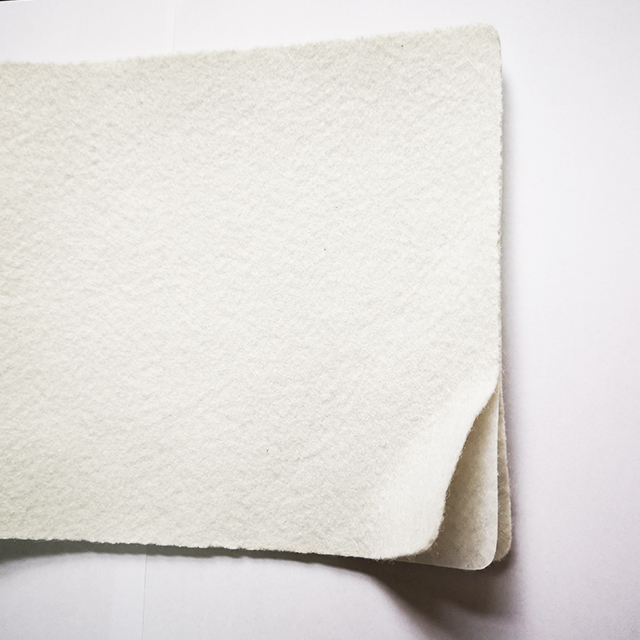
Civil engineers deploy these composite materials extensively for large-scale water storage. Reservoirs and agricultural canals require massive fluid barriers to prevent costly seepage loss. The built-in fabric layer protects the polymer membrane against localized subgrade settling. Ground movement often stresses bare plastics to the breaking point over time. The composite structure stretches and distributes these ground strains evenly. Aquaculture facilities and recreational water bodies also benefit immensely. A reliable pond composite liner must endure harsh installation conditions. Crews walk across the surface repeatedly during construction. Heavy hydrostatic pressure later pushes the material into every subgrade crevice. The fabric backing prevents foot traffic tears and pressure-induced micro-ruptures.
Environmental containment demands extremely rigorous safety margins. Landfill capping and closures apply these geosynthetics to block rainwater infiltration completely. Rain entering the municipal waste mass creates highly toxic leachate. The textile side faces the cover soil, providing crucial friction. This friction holds the vegetation layer securely in place on steep landfill domes. Tailings dams and industrial runoff ponds pose another severe containment challenge. They hold hazardous chemical fluids and sharp mining aggregates. The polymer layer provides a reliable chemical barrier against aggressive fluids. The textile backing simultaneously defends the barrier against jagged rock movement. This dual action secures mining operations against catastrophic environmental leaks.
Modern transportation networks utilize geosynthetics for hidden structural support. Roadbed seepage control is vital in highway and railway construction projects. Groundwater capillary rise degrades the compacted road base rapidly. Placing a composite layer prevents moisture from migrating upward into the aggregate. The fabric side also reinforces the surrounding soil structure. This reinforcement prevents frost heave, potholes, and unexpected roadbed collapse. Green infrastructure projects use these specific liners to manage urban stormwater runoff efficiently.
Selecting the right raw materials dictates your long-term containment success. You must carefully assess the polymer base and the textile weight. High-Density Polyethylene (HDPE) offers superior chemical resistance and high tensile strength. Linear Low-Density Polyethylene (LLDPE) provides much better flexibility and multiaxial elongation. Engineers choose LLDPE when uneven subgrade settling is highly likely. You must also specify the textile weight accurately, measured in grams per square meter (g/m²). Higher hydrostatic pressure requires a denser, heavier fabric backing to prevent membrane extrusion.
Material Selection Comparison Chart | |||
Polymer Base | Primary Advantage | Best Use Case | Flexibility Level |
|---|---|---|---|
HDPE Core | Chemical Resistance & UV Stability | Landfills, Mining, Industrial Basins | Low to Moderate |
LLDPE Core | High Elongation & Conformance | Landfill Caps, Settling Soils | High |
Generic manufacturer claims carry little weight in critical infrastructure design. We strongly advise relying on verifiable ASTM standards for material approval. ASTM D7005 measures the peel strength directly. Peel strength represents the physical adhesion between the polymer and fabric layers. Weak adhesion causes the fabric to delaminate during deployment or welding. ASTM D6241 tests static puncture resistance under controlled laboratory conditions. These standardized tests prove whether the material can handle site-specific rock loads. Always request certified laboratory reports matching these exact testing standards.
Slope gradients dictate your specific interface friction requirements. A perfectly flat containment site rarely needs high friction values. A steep 3:1 slope demands careful shear strength calculations. You must calculate whether the single-sided fabric provides adequate grip for your specific soil type. Direct shear box testing helps engineers quantify this grip accurately. A composite geomembrane excels on these moderate to steep slopes. It stops cover soils from sliding downward and exposing the liner to harmful UV rays.
The physical presence of the fabric complicates thermal welding significantly. Technicians cannot simply melt plastic to plastic like a bare liner. The fabric fibers block the heating elements and contaminate the weld zone. They weaken the molecular bond if left intact. Crews must strip or melt back the fabric at the panel edges. This strict preparation exposes a clean strip of pure polymer. Dual-track wedge welding then bonds the adjacent panels together. This advanced method creates an empty air channel between two parallel welds. Technicians use this channel for pneumatic pressure testing.
Strip the fabric edge carefully without scoring or scratching the underlying polymer.
Clean the exposed polymer surface thoroughly with a clean, dry cloth.
Perform trial welds using a calibrated dual-track wedge welder.
Conduct air pressure tests on the channel to verify absolute impermeability.
Moisture management presents a major field challenge during installation. The non-woven fabric acts exactly like a sponge. It wicks and holds moisture if exposed to rain or heavy morning dew. Wet fabric compromises weld integrity immediately. The extreme heat of the wedge welder turns trapped moisture into pressurized steam. This steam causes blowouts and creates porous, defective seams. Installers must protect roll edges with heavy tarps overnight. You should never attempt thermal seaming when the fabric backing remains damp.
Composite rolls weigh significantly more than standard bare plastic liners. The added fabric increases both the roll diameter and the material stiffness. You cannot rely on manual labor for unrolling these heavy products. Crews need heavy equipment equipped with specialized spreader bars.
Use a specialized excavator or loader to suspend the heavy roll safely.
Unroll the material slowly to prevent large air pockets from forming underneath.
Position panels carefully to avoid dragging the textile face over sharp rocks.
Deploy sandbags temporarily to secure the unrolled panels against sudden wind uplift.
Dragging the roll damages the protective fibers before they even bear a functional load.
We recommend this configuration strongly for flat to moderate containment slopes. It serves optimally when only the subgrade presents a direct puncture hazard. For example, your base soil contains jagged stones, but your contained fluid is clean water. The single-sided approach provides maximum mechanical defense underneath. It accomplishes this without wasting project funds on top-side protection. It works perfectly if your overlying cover material is smooth sand or soft soil.
Certain extreme environments demand maximum mechanical defense on all sides. You should upgrade to a double-sided composite when both faces face threats. Heavy gravel, riprap, or sharp debris dumped on top will easily puncture a bare polymer face. A geotextile membrane thermally bonded to both sides cushions the core completely. This thick triple-layer sandwich survives the harshest mechanical abuses during heavy backfilling operations.
Not every site requires built-in fabric cushioning. You can downgrade safely to a bare HDPE sheet under ideal conditions. This applies strictly to perfectly smooth, sand-bedded subgrades. If you have minimal slopes and clean water containment, bare plastics suffice. In these pristine scenarios, friction and puncture risks remain mathematically negligible. Downgrading here simplifies the thermal welding process substantially.
A single-geotextile composite liner offers a highly strategic middle-ground engineering solution. It seamlessly combines robust mechanical protection with absolute fluid impermeability. You achieve superior puncture resistance against harsh subgrades. You accomplish this without overpaying for unnecessary double-sided fabrics. The added interface friction guarantees slope stability where bare plastics would slide and fail.
Project managers should finalize their material selection based on hard engineering data. Match your site soil reports directly against manufacturer peel strength and puncture resistance specifications. Ensure your chosen installation crew understands the strict complexities of edge stripping. They must master dual-track wedge welding. Taking these deliberate technical steps ensures your containment system remains secure and leak-free for decades.
A: A standalone geotextile is a permeable fabric used primarily for soil filtration, separation, and reinforcement. Liquids pass right through it. A composite geomembrane bonds this permeable fabric to a solid, impermeable plastic sheet. This manufactured combination provides both structural mechanical protection and absolute waterproofing in a single integrated product.
A: Orientation depends entirely on the specific site hazard. The fabric side must face the rougher surface. Usually, installers place the fabric facing down against a rocky subgrade to prevent bottom punctures. However, it can face up if protection from heavy, jagged overlying cover soil is your primary concern.
A: A well-installed composite pond liner typically lasts 20 to 30 years. Longevity depends heavily on proper UV shielding. Covering the material with soil or water extends its service life significantly. Flawless thermal seam welding and minimal exposure to highly aggressive chemicals also ensure the liner reaches its maximum lifespan.


