


Have you ever wondered how modern engineering projects tackle drainage, filtration, and reinforcement all in one material? Geocomposite is the solution, revolutionizing construction and environmental protection. In this article, we’ll define what Geocomposite is, explore its types, applications, and the many benefits it offers in various engineering fields. You’ll discover how this versatile material is shaping infrastructure development today.
A geocomposite is an engineered material that combines two or more geosynthetic components, such as geotextiles, geomembranes, geonets, or geogrids, into a single product. This integration allows the material to perform multiple functions simultaneously, making it highly versatile for a wide range of engineering applications. Geocomposites are commonly used to address challenges in construction and environmental engineering, where traditional methods may not be as efficient or cost-effective. By combining different materials, geocomposites offer improved performance characteristics, such as enhanced drainage, filtration, reinforcement, and waterproofing.
Geocomposites can be classified by their intended function or the types of materials used. For instance, a geotextile-geonet composite combines a geotextile fabric with a geonet to create a material with strong drainage and filtration properties. Another example is the geotextile-geomembrane composite, which offers both filtration and impermeability, making it ideal for applications requiring waterproofing, such as in landfills or water reservoirs.
Geocomposites provide a comprehensive solution by combining multiple functions, each serving a unique role in different engineering scenarios. The core functions of geocomposites include:
● Drainage: Geocomposites designed for drainage effectively channel water or other fluids, helping to prevent water accumulation in critical areas. For example, the geonet component in some geocomposites allows water to pass through while maintaining a high flow capacity, making it ideal for subgrade drainage in roads, landfill systems, and railway construction.
● Filtration: The filtration capability of geocomposites ensures that soil particles are kept from clogging drainage systems. This is achieved through the use of geotextiles that allow water to flow while blocking fine particles from passing through. This is especially important in applications like roadbase construction, where soil stability must be maintained.
● Reinforcement: Geocomposites can provide tensile strength, helping to reinforce weak soils or materials. A geogrid or geotextile-geogrid composite adds stability to soil, preventing erosion and slope failure, which is particularly beneficial in the construction of embankments and retaining walls.
● Separation: In applications where different soil types need to be kept separate, geocomposites can act as a separator. This function is commonly seen in road construction, where geocomposites prevent mixing between subgrade soil and the aggregate base, maintaining structural integrity and ensuring proper drainage.
● Waterproofing: Geocomposites such as geotextile-geomembrane combinations provide an impermeable barrier to prevent the movement of water or harmful liquids, which is essential in preventing contamination in areas like landfills or ponds. These products help safeguard surrounding soil and groundwater from leachate or hazardous waste seepage.
Primary Function: Drainage and Filtration Geotextile-Geonet composites are a combination of a geotextile layer and a geonet, offering an effective solution for both drainage and filtration. The geonet, with its grid-like structure, creates channels for water to flow easily, which helps in draining excess water from construction sites or roads. The geotextile layer, typically made of nonwoven fabric, acts as a filter by preventing soil particles from passing through, thus ensuring that the drainage system remains free from clogging.
These composites are particularly valuable in environments where efficient water flow and filtration are essential, such as in road construction, where they prevent water accumulation under the roadbed, and in landfill leachate collection systems, where the movement of leachate must be controlled to prevent contamination.
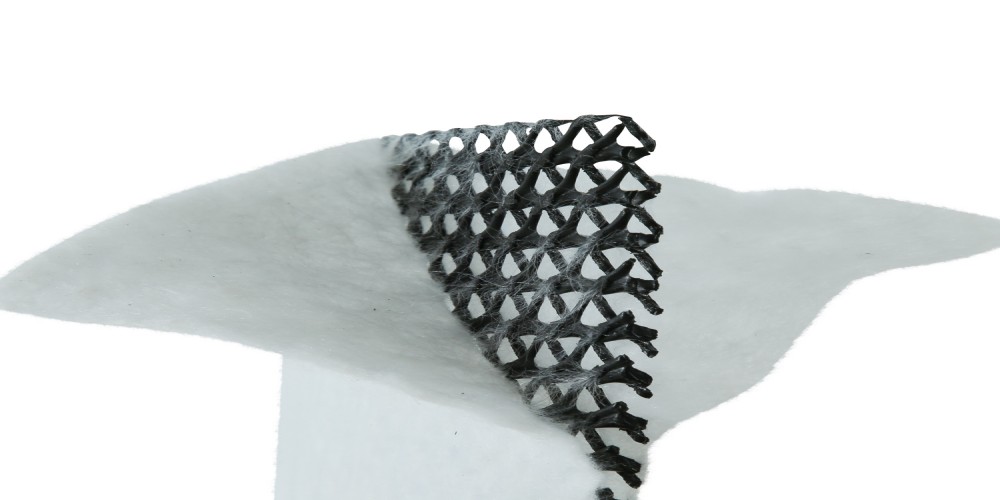
Primary Function: Waterproofing and Protection Geotextile-Geomembrane composites combine the filtration and separation capabilities of geotextiles with the impermeable barrier properties of geomembranes. The geomembrane is typically made from materials like high-density polyethylene (HDPE), which creates a waterproof barrier to prevent the migration of water or contaminants, while the geotextile serves to filter out soil particles and provide additional reinforcement.
This combination is particularly suited for applications where waterproofing is critical, such as in reservoirs, canals, and ponds. The ability to block water flow while also offering filtration makes this composite a reliable solution for preventing seepage in water containment structures. Moreover, its robustness makes it suitable for use in environmental protection projects like waste containment systems, where the prevention of toxic substance leakage is a priority.
Primary Function: Soil Reinforcement and Tensile Strength Geogrid-Geotextile composites combine the strength of geogrids with the filtering properties of geotextiles. Geogrids are designed to provide tensile strength, helping to distribute loads evenly across the soil, which is especially beneficial in areas prone to soil erosion or instability. The geotextile component allows for proper filtration while preventing the intrusion of fine soil particles into the drainage system.
This composite is commonly used for slope stabilization, as it helps reinforce weak soils and prevents erosion. Additionally, it is ideal for use in the construction of reinforced soil structures like retaining walls, embankments, and roadbases. Geogrid-geotextile composites help maintain structural integrity by redistributing stresses and providing long-term soil stability.
Geocomposite Type | Applications |
Geotextile-Geonet Composites | Road construction, landfill leachate collection, railway drainage |
Geotextile-Geomembrane Composites | Reservoirs, canals, waste containment systems |
Geogrid-Geotextile Composites | Slope stabilization, retaining walls, embankments, roadbases |
Description: Geocomposites are a key component in modern road construction, particularly for drainage and reinforcement. Their primary role is to manage water flow within the subgrade layers, which is essential for maintaining the integrity of the road foundation. By preventing water from accumulating beneath the surface, geocomposites help reduce the risk of erosion, frost heave, and foundation weakening. These materials are particularly effective in areas where the subgrade is prone to water infiltration, ensuring that drainage systems remain functional and effective for the long term.
The reinforcement provided by geocomposites further enhances the road's durability. The inclusion of geogrids or geotextiles helps distribute loads more evenly across the soil, increasing the structural stability of the road. This is especially beneficial in areas with heavy traffic or in regions with soft or unstable soils. The combined drainage and reinforcement capabilities help extend the lifespan of the roadway, reducing the need for frequent maintenance and repairs.
Description: In landfill construction, geocomposites are used for several crucial functions, including leachate collection, gas venting, and soil stabilization. Geotextile-geonet composites are commonly employed for leachate drainage, allowing liquid waste to flow efficiently through the system, while preventing it from contaminating surrounding soil or groundwater. The high flow capacity and filtration abilities of these composites ensure that the waste is managed safely and in compliance with environmental regulations.
The role of geocomposites in gas venting systems is equally important. Landfills often produce methane and other gases, which need to be safely managed to avoid environmental hazards. Geocomposites facilitate the controlled release of these gases, ensuring that the landfill remains stable and safe over time. Additionally, their ability to separate and filter waste materials improves the structural integrity of the landfill, reducing the likelihood of subsidence or leakage.
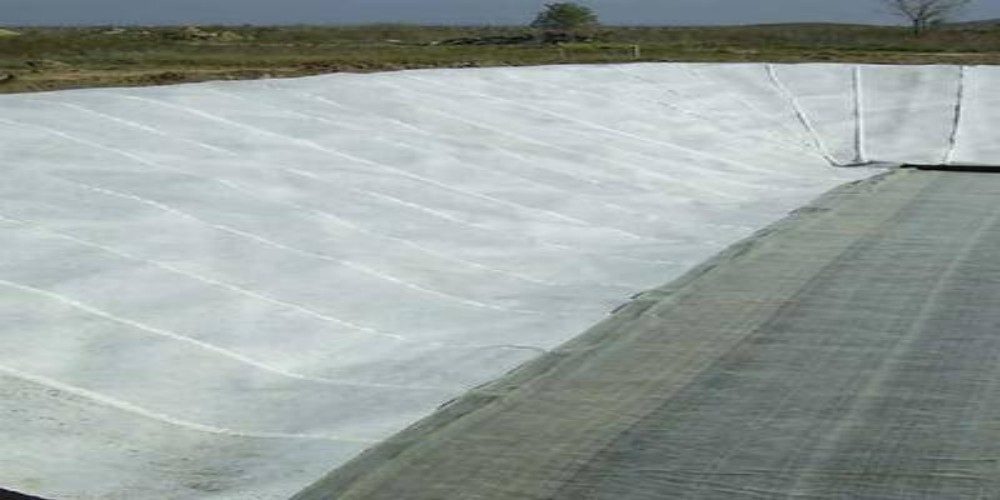
Description: Geocomposites are indispensable in applications that require waterproofing and containment, such as in water reservoirs, canals, and ponds. Geotextile-geomembrane composites, which combine the impermeability of geomembranes with the filtration properties of geotextiles, provide a highly effective solution to prevent water seepage. This composite material is crucial in situations where water containment is essential, ensuring that water remains within its designated area and does not contaminate surrounding environments.
These composites are also used to safeguard the environment by preventing the migration of harmful substances or pollutants into water systems. For instance, in wastewater treatment facilities or hazardous material containment sites, geocomposites provide a protective barrier that prevents the leakage of contaminants into groundwater or surrounding ecosystems. Their versatility in both filtration and waterproofing makes them a valuable material in a wide range of environmental protection projects.
Cost-Effectiveness: Geocomposites offer a significant reduction in construction costs by replacing traditional materials like gravel and sand, which are often expensive and require extensive labor for transportation and installation. For instance, a 6mm thick geocomposite drainage net can replace up to 300mm of gravel, drastically reducing material requirements and the need for multiple layers. This not only saves on material costs but also minimizes the energy and transportation costs associated with these heavy materials. Studies have shown that using geocomposites can cut project costs by up to 50%, especially in projects that involve large-scale drainage, landfill, and road construction.
The installation process is also more efficient, as geocomposites are lightweight and easy to handle, which can reduce labor costs by 30-40% compared to traditional methods. As a result, projects using geocomposites typically experience faster construction timelines, allowing for quicker project completion and reduced overall expenses.
Durability: Geocomposites are designed to withstand extreme environmental conditions. Many are made from high-density polyethylene (HDPE), which offers exceptional resistance to chemicals, UV rays, and physical wear. For example, geocomposites used in landfills or wastewater treatment plants can last 50-100 years, reducing the need for regular maintenance or replacement. This long lifespan helps save costs over time, as projects do not require frequent repairs or material replacements, unlike traditional gravel or sand systems.
Environmental Benefits: Geocomposites contribute to sustainable construction practices by reducing the need for natural resources like sand and gravel. For example, the use of recycled HDPE in geocomposites further decreases the environmental impact. By incorporating recycled materials, the production of geocomposites consumes 40-50% less energy compared to manufacturing new materials. This also helps reduce the carbon footprint associated with the extraction and processing of raw materials.
Lower Carbon Emissions: Geocomposites help lower carbon emissions due to their lightweight nature and reduced material usage. Traditional construction materials require a significant amount of energy to transport and install, particularly because they are heavy and bulky. In contrast, geocomposites reduce transportation energy costs by up to 80%. Furthermore, the decreased need for natural material extraction contributes to lower carbon emissions, making geocomposites a more eco-friendly alternative for infrastructure projects.
Geocomposite is a versatile material that combines multiple functions like drainage, filtration, and reinforcement. Its applications in road construction, landfills, and water containment systems have proven essential in modern engineering. Shanghai Yingfan Engineering Material Co., Ltd. offers high-quality geocomposite products, providing long-lasting, cost-effective solutions for projects that require efficient water management and environmental protection. Consider using geocomposites in your future projects to enhance performance and reduce environmental impact.
A: A geocomposite is a material made by combining multiple geosynthetics, such as geotextiles, geomembranes, or geonets, to serve functions like drainage, filtration, and reinforcement in civil engineering projects.
A: Geocomposites are commonly used in road construction, landfills, wastewater management, and water containment systems, providing efficient drainage, filtration, and soil stabilization.
A: Geocomposites improve drainage by providing a continuous path for water flow while preventing soil clogging, enhancing both filtration and water movement in subgrade and landfill systems.


