

Views: 0 Author: Site Editor Publish Time: 2025-05-14 Origin: Site


Geosynthetic clay liners (GCLs) are one of the most efficient and reliable materials for modern containment and waterproofing solutions. Made from layers of geotextile encapsulating sodium bentonite clay, they are widely recognized for their superior sealing and anti-seepage properties. If you’re wondering, "What is geosynthetic clay liner used for?" the answer spans across industries including environmental protection, civil engineering, and water management. From lining landfills to waterproofing ponds and preventing erosion in construction foundations, the geosynthetic clay liner has become a go-to solution.
In this comprehensive guide, we explore the various geosynthetic clay liner uses, compare GCL vs geomembrane, examine installation practices, and provide insights into current market trends, including how to choose the right product from leading geosynthetic clay liner manufacturers like Yingfan.
A Geosynthetic Clay Liner (GCL) is a prefabricated layer made by sandwiching bentonite clay between two layers of geotextile. When hydrated, bentonite GCL swells to form an effective barrier to liquids, making it a powerful choice for environmental containment systems.
| Layer | Material | Function |
|---|---|---|
| Top Geotextile | Woven or non-woven | Provides tensile strength |
| Core | Bentonite clay | Acts as the impermeable layer |
| Bottom Geotextile | Non-woven | Secures bentonite, offers protection |
Modern variants like bentonite GCL with PE membrane add a layer of polyethylene for enhanced impermeability, especially in hazardous or high-pressure environments.
Geosynthetic clay liner for ponds is one of the most common applications. The GCL serves as a durable, eco-friendly liner that ensures minimal seepage. Its natural swelling properties allow for excellent sealing even in case of punctures or minor damage. Applications like bentonite liner for agricultural ponds and residential pond waterproofing solutions are becoming increasingly popular.
Used in landfill caps and base liners, bentonite geosynthetic clay liner acts as a secondary containment system beneath geomembranes. It significantly reduces leachate migration and supports sustainable waste disposal systems. Geosynthetic clay liner for landfill leachate control is a rising necessity in modern waste management practices.
In transport construction, GCLs prevent water from migrating into the base or subgrade layers, thus protecting the integrity of roads and railways. They are an excellent solution for maintainence of earth works in infrastructure projects and have gained popularity in railway bed waterproofing systems and road subgrade protection with bentonite GCL.
Urban development projects often face the challenge of water infiltration in basements. Geosynthetic clay liner installation beneath building foundations mitigates this by offering a self-sealing, maintenance-free barrier. Solutions like GCL basement waterproofing membranes are highly sought-after in residential construction.
From irrigation channels to underground metro systems, GCLs offer uniform coverage and adaptability to irregular shapes, making them ideal for complex hydraulic structures. Geosynthetic clay liner for tunnels and subways helps ensure long-term waterproofing performance in underground projects.
| Feature | Geosynthetic Clay Liner | Compacted Clay Liner | Geomembrane |
| Permeability | Very low | Moderate | Very low |
| Thickness | Thin, consistent | Thick, inconsistent | Thin |
| Installation | Quick & simple | Labor-intensive | Requires skilled labor |
| Self-Sealing | Yes | No | No |
| Environmental Impact | Low | High (due to excavation) | Variable |
This comparison highlights that geosynthetic clay liner vs geomembrane choices depend on project scope and environment. Often, GCL is combined with geomembranes to provide dual containment, particularly in hazardous chemical storage pits or mining tailings ponds.
When selecting a GCL, you should understand the key performance indicators:
Geosynthetic clay liner thickness: Typically ranges between 5mm to 10mm depending on application.
Hydraulic conductivity: Measures the liner's ability to block fluid passage.
Tensile strength: Indicates how well the liner can resist deformation.
Swelling capacity: Based on the quality of bentonite used.
Yingfan’s GCLs come with reliable geosynthetic clay liner specifications, tailored to suit harsh conditions and variable climates. They also offer bentonite clay liner systems reinforced with polyethylene layers for added chemical resistance.
As one of the top geosynthetic clay liner manufacturers, Yingfan offers a broad spectrum of GCL products for both standard and custom requirements. Their high-quality bentonite GCL options are suited for:
Landfill sealing systems
Mining containment basins
Water reservoirs
Basement waterproofing
Industrial pond liners
Their product line includes:
Standard Bentonite GCL: Designed for general waterproofing.
GCL with PE Membrane: Extra layer for aggressive chemical containment.
Related product: Yingfan also supplies HDPE geomembranes, a perfect complement to GCLs for dual-layer security systems in hazardous applications. Use cases such as HDPE geomembrane with bentonite liner enhance protection against contamination.
The geosynthetic clay liner price depends on factors such as:
Liner thickness and composition
Area of application
Project size and location
Type of bentonite used (natural vs polymer-enhanced)
While specific figures aren't listed, Yingfan ensures competitive rates and cost-effective solutions across their geosynthetic clay liner for sale portfolio. Long-term savings come from reduced maintenance and installation costs.
With the rise of eco-friendly construction, bentonite blanket liners are gaining popularity as they provide natural clay barriers with minimal environmental disruption. Builders favor these systems in eco-pond construction and low-impact development designs.
As extreme weather events increase, more infrastructure projects are relying on GCLs for flood control, erosion resistance, and long-term performance. Solutions like stormwater basin linings with GCL and erosion-resistant bentonite liner systems are in growing demand.
Projects are increasingly combining GCLs with other layers like compacted clay liner and geogrids for tailored, high-performance barrier systems. This integration benefits sectors like urban drainage planning and coastal reinforcement engineering.
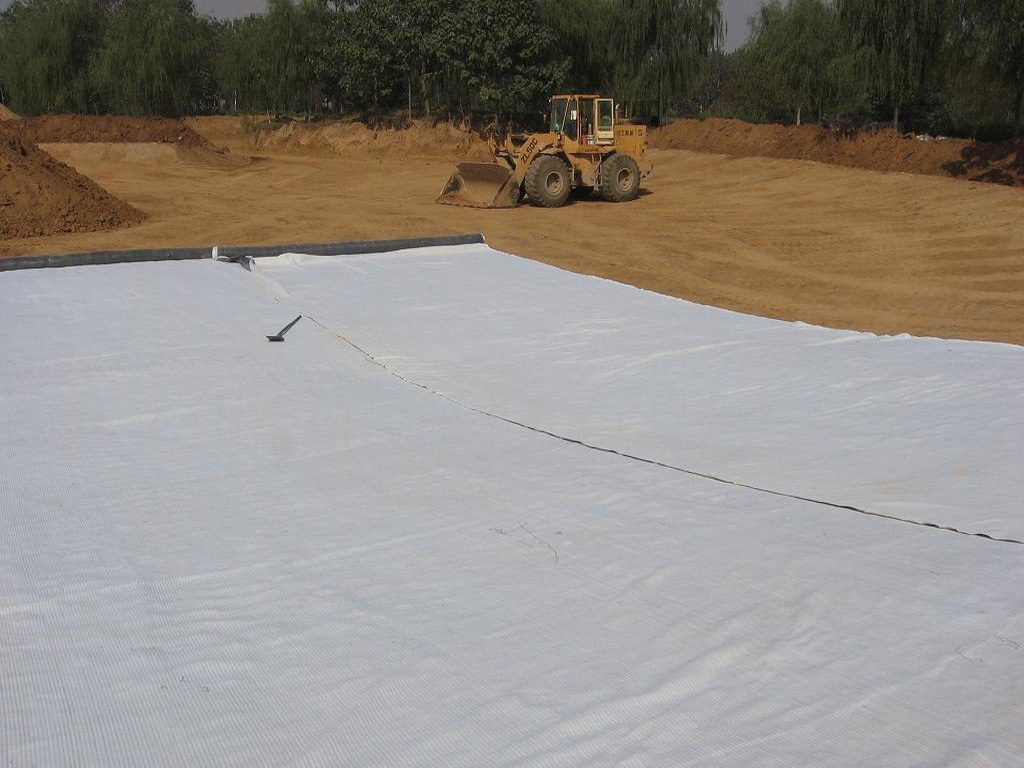
Proper geosynthetic clay liner installation is essential for long-term performance. Here are the steps:
Surface Prep: Ensure a smooth, debris-free surface.
Unrolling the GCL: Lay rolls with 15-30 cm overlap.
Hydration Control: Protect from premature hydration.
Seaming: Ensure overlapping seams face upslope.
Cover Material: Place soil or sand gently on top.
Challenges often include damage during backfill, hydration before cover, and improper anchoring—all of which can be avoided with skilled labor and quality materials like those from Yingfan.
A1: It is used for waterproofing and containment in landfills, ponds, canals, tunnels, and building foundations.
A2: It uses bentonite clay that swells on contact with water, forming an impermeable barrier against fluids.
A3: GCL is a natural clay-based liner offering self-sealing and flexibility. Geomembranes are synthetic barriers, often used in conjunction.
A4: Reputable manufacturers like Yingfan offer a range of GCLs tailored for various containment needs.
A5: Thickness, hydraulic conductivity, tensile strength, and swelling capacity are essential factors.
A6: Yes, it is easier to install, requires less space, and offers more uniform performance.
A7: Absolutely. It is ideal for pond liners, basements, and retaining walls in residential developments.
A8: It ranges from 5mm to 10mm, depending on design and usage conditions.
The question "What is geosynthetic clay liner used for?" uncovers a world of high-performance, sustainable engineering solutions. Whether you're managing water storage, preventing contamination, or improving infrastructure reliability, geosynthetic clay liner delivers long-term protection with minimal maintenance.
By choosing Yingfan, one of the most trusted geosynthetic clay liner manufacturers, you gain access to a comprehensive range of solutions including bentonite GCL, bentonite clay liner, and GCL with PE membrane systems. Their commitment to quality and environmental stewardship makes them a preferred partner for projects of all scales.From infrastructure subgrade anti-seepage to basement erosion control, integrating a geosynthetic clay liner isn’t just a smart move—it’s a step toward sustainable progress.


