

Views: 0 Author: Site Editor Publish Time: 2026-06-15 Origin: Site


Geocomposites are revolutionizing modern engineering by offering versatile solutions for drainage, filtration, reinforcement, and protection. In this article, we will explore how these materials are transforming construction projects. You’ll learn how Geocomposite materials, like those provided by Shanghai Yingfan Engineering Materials, enhance infrastructure projects’ efficiency and sustainability.
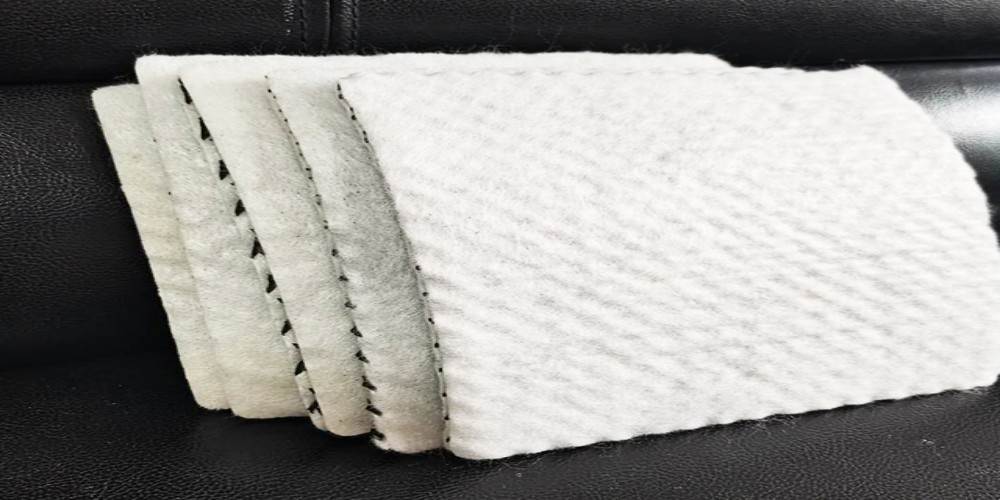
Geocomposites play a crucial role in managing water flow and preventing the accumulation of excess moisture in construction projects. Their primary drainage function is achieved through a combination of geotextiles and geonets, which work together to facilitate the efficient passage of water while blocking soil particles from clogging the system. The unique structure of the geocomposite, particularly the three-dimensional geonet core, ensures that water is efficiently channeled and diverted, reducing the risk of water buildup and the subsequent pressures that can compromise structural integrity.
A key advantage of geocomposites over traditional drainage solutions like gravel or sand is their ability to provide superior in-plane flow capacity. This means that they are far more effective at transporting water through the system, minimizing the risk of hydrostatic pressure build-up, which can lead to soil erosion or even structural damage.
In addition to their hydraulic efficiency, geocomposites are designed to be lightweight and flexible, which significantly reduces transportation and installation costs. Once installed, these materials ensure long-term performance by preventing clogging and allowing for continual water flow. They also exhibit excellent resistance to chemicals, making them ideal for use in harsh environments such as landfills and wastewater treatment facilities.
Common applications of geocomposite drainage systems include:
● Highway Construction: For effective subgrade drainage to prevent water from weakening the foundation.
● Landfills: For leachate drainage and gas venting, ensuring environmental protection by diverting potentially harmful liquids.
● Underground Structures: Geocomposites are often used to direct water away from tunnels and basement walls, preventing water-related damage.
Beyond drainage, geocomposites are highly effective at filtration and soil separation. These materials prevent fine soil particles from migrating through drainage systems while allowing water to flow freely. The geotextile layers in geocomposites act as a filter, catching soil particles while allowing for water passage, which helps to maintain the system’s efficiency over time.
In construction projects, this filtration function is critical, particularly in situations where soil stability and integrity are paramount. By preventing the mixing of different soil types or aggregate materials, geocomposites help maintain the intended properties of each layer. For example, in the case of road construction, they ensure that the subgrade and drainage layers do not become contaminated with silt or clay, which could reduce the performance of the entire structure.
In addition to their filtration capabilities, geocomposites provide an effective means of soil separation. This is especially important in areas subject to varying levels of soil movement, such as embankments or retaining walls. The separation of soil layers by geocomposites helps preserve the overall structural stability by ensuring that the materials remain in their intended position. This, in turn, prevents issues such as uneven settling or structural failure, which can occur when soil layers become mixed or displaced.
Key advantages of using geocomposites for filtration and soil separation include:
● Preventing Clogging: Geocomposites effectively filter out fine particles, ensuring continuous water flow without the risk of clogging.
● Maintaining Structural Integrity: By separating soil layers, geocomposites reduce the risk of shifting or weakening foundations, improving long-term stability.
● Cost Efficiency: The ability to combine multiple functions—drainage, filtration, and separation—into a single product reduces material and installation costs.
Geocomposites play a critical role in enhancing the strength and stability of soil in various engineering applications. By combining drainage, filtration, and reinforcement functions into one material, they provide a cost-effective solution for improving soil mechanics, especially in challenging environments such as embankments, slopes, and retaining walls.
The reinforcement function of geocomposites is particularly beneficial in areas where soil is subject to stress and movement. The geogrid or geonet components in geocomposites act to distribute the load evenly across the structure, preventing excessive settlement or deformation. This reinforcement capacity is vital in ensuring the long-term stability of earthworks in civil engineering projects, especially in regions prone to soil instability or shifting.
One of the primary benefits of using geocomposites for soil reinforcement is their ability to enhance shear strength. By preventing soil from shifting or sliding under pressure, geocomposites contribute to the structural integrity of embankments and slopes. The high tensile strength of the geocomposite material helps in binding the soil layers together, thereby reinforcing the overall foundation and reducing the risk of landslides or erosion.
A prime example of geocomposites used for soil reinforcement is in railway embankments, where geocomposites provide the necessary support to prevent soil failure. In highway construction, geocomposites are used to reinforce the subgrade layer, ensuring the foundation remains stable under the weight of traffic and environmental conditions.
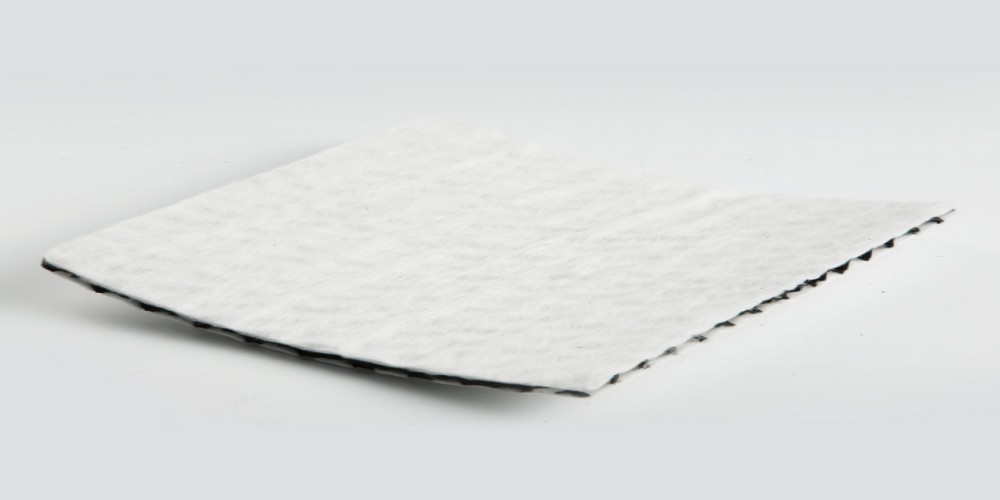
Another critical function of geocomposites is their role in protection and containment. In construction projects where environmental safety and the prevention of leakage are of utmost importance, geocomposites offer an efficient solution. Their protective properties are particularly valuable in landfills, tunnels, and wastewater containment systems, where controlling water flow and maintaining a barrier against contaminants is crucial.
In landfills, geocomposites are commonly used to prevent the migration of harmful substances such as leachate or gas. A combination of geotextiles and geomembranes in a geocomposite product ensures that leachate is contained and diverted away from surrounding soil and groundwater. These materials offer long-lasting protection against seepage, which helps maintain environmental integrity and prevents groundwater contamination.
Similarly, in tunnel construction, geocomposites are used for waterproofing applications. Their ability to prevent water infiltration is essential in tunnel linings, where excessive water pressure can weaken structures and lead to catastrophic failures. Geocomposites act as both a drainage solution and a barrier, preventing water from reaching critical areas and reducing the risk of water damage to the infrastructure.
Application Area | Geocomposite Function | Traditional Approach |
Landfills | Prevents leachate seepage | Multiple layers of clay and gravel |
Tunnel Waterproofing | Provides a waterproof barrier | Concrete barriers, less efficient |
Wastewater Containment | Seals and filters waste material | Requires complex lining systems |
This table illustrates the superiority of geocomposites in protecting environments and structures from harmful substances and water infiltration. With their multi-functional design, geocomposites simplify the construction process and provide an all-in-one solution for containment and protection, making them an ideal choice for demanding engineering projects.
Geocomposites are transforming construction projects by simplifying processes, reducing costs, and improving efficiency. One of the main advantages of these materials lies in their ability to combine multiple functions, such as drainage, filtration, and reinforcement, into a single product. This eliminates the need for multiple layers of different materials, streamlining both the design and installation phases of construction.
The use of prefabricated geocomposite rolls further contributes to cost savings. These rolls are pre-manufactured to specified dimensions and can be easily transported to the construction site. This reduces the time spent on preparation, as there is no need for additional custom cuts or adjustments during installation. As a result, installation time is significantly reduced, leading to lower labor costs and faster project completion.
In contrast to traditional materials like gravel or sand, which require extensive handling and transport, geocomposites are lightweight and easy to deploy. For example, a geocomposite drainage mat, which serves as an efficient water diversion system, is much lighter than the equivalent amount of gravel. This characteristic allows for quicker installation and eliminates the need for heavy machinery or large workforce efforts typically associated with conventional drainage systems.
Here’s a comparison of the installation efficiency between geocomposites and traditional methods:
Feature | Geocomposite Installation | Traditional Installation |
Installation Time | 40% faster | Slower, time-consuming |
Labor Costs | Lower due to easy handling | Higher, requires more workers |
Material Transport | More efficient | Bulky and expensive |
Site Preparation | Minimal | Extensive preparation |
The table demonstrates that geocomposites not only simplify logistics but also provide significant reductions in both labor and transportation costs. This makes them a highly attractive option for budget-conscious construction projects.
The long-term performance and durability of geocomposites are key factors that contribute to their widespread adoption in construction projects. These materials are designed to withstand the challenges posed by harsh environmental conditions, including exposure to UV radiation, chemical corrosion, and physical stress. The inherent strength of geocomposites, combined with their ability to maintain their properties over time, makes them a highly reliable solution for both temporary and permanent applications.
Geocomposites are often used in landfill liners, highway drainage systems, and tunnels, where they are exposed to extreme conditions such as high moisture levels, chemical exposure, and constant mechanical stress. These materials are typically made from high-density polyethylene (HDPE) or other durable polymers, which offer excellent chemical resistance and help to prevent degradation over time. They also feature protective coatings that enhance their UV resistance, ensuring that they maintain their integrity even in prolonged exposure to sunlight.
One of the standout features of geocomposites is their resistance to biological factors, which can often cause the deterioration of traditional materials. For instance, in landfill applications, where leachate and methane gas are present, geocomposites prevent leakage and remain structurally sound despite harsh conditions. Additionally, their ability to resist bio-degradation ensures they continue to function efficiently for decades.
Here’s an example of how geocomposites perform compared to traditional materials:
Property | Geocomposites | Traditional Materials |
UV Resistance | 50-100 years | 5-10 years |
Chemical Resistance | Excellent (Acids, Alkalines) | Limited |
Mechanical Strength | High (300-1000 kPa) | Varies, often lower |
Service Life | 50+ years | 10-20 years |
The table shows that geocomposites outperform traditional materials in terms of longevity and resilience, providing a far superior option for long-term construction in challenging environments.
Geocomposites also exhibit low maintenance costs over their service life. Because these materials do not degrade easily under environmental stress, they eliminate the need for frequent repairs or replacements, further contributing to cost savings over time. Their durability makes them an optimal choice for projects where long-term stability is critical, such as in railways, tunnels, and coastal protection systems.
The field of geocomposites has witnessed significant technological advancements, especially with the development of eco-friendly materials. These innovations focus on sustainability, using recycled polymers and biodegradable elements to create geocomposites that minimize environmental impact while maintaining performance. New automated installation technologies are also making a considerable difference. These systems streamline the process of laying geocomposite materials, improving efficiency and reducing human error during installation.
Real-time monitoring technologies have become a critical advancement in ensuring the long-term performance of geocomposites. Through sensors and remote tracking systems, engineers can monitor the condition of materials post-installation, ensuring they maintain integrity and function optimally. This technology greatly reduces the risk of failures and allows for proactive maintenance, extending the lifespan of construction projects.
Geocomposites are increasingly being used in diverse fields, particularly in high-risk areas such as coastal protection and sports fields. As urbanization grows, these materials are being applied more frequently in new and emerging markets, providing solutions for challenging environments. The demand for geocomposites is projected to rise significantly, driven by the need for efficient infrastructure construction and environmental protection.
Looking ahead, the role of geocomposites in sustainable construction will continue to grow. With increasing focus on reducing carbon footprints and enhancing environmental resilience, geocomposites will become even more integral to modern engineering. As technology continues to evolve, the future of geocomposites will see even more advanced materials and applications, making them a cornerstone in eco-conscious building practices.
Area | Expansion Potential | Example Applications |
Coastal Protection | Increased demand in erosion control | Coastal barriers, flood prevention |
Sports Fields | Growing need for efficient drainage | Stadiums, athletic fields |
Infrastructure | Rapid growth in emerging markets | Highways, urban development |
Geocomposites play a crucial role in drainage, reinforcement, and protection, making them essential in modern construction and environmental protection. These materials offer cost savings, efficiency, and sustainability. Shanghai Yingfan Engineering Material Co., Ltd. provides high-quality geocomposite products that enhance project performance, offering unique advantages in various engineering applications.
A: Geocomposite materials combine multiple functions like drainage, filtration, and reinforcement to improve soil stability and water management in construction projects.
A: Geocomposites enhance drainage by efficiently directing water flow through their geotextile and geonet layers, preventing clogging and reducing hydrostatic pressure in various applications.
A: Yes, geocomposites reduce material and labor costs by simplifying installation processes, improving long-term durability, and minimizing maintenance needs in infrastructure projects.


