

Views: 0 Author: Site Editor Publish Time: 2026-07-28 Origin: Site


Unplanned downtime in infrastructure projects carries massive financial penalties. Industrial sites also face severe operational bottlenecks when ground structures fail. Subgrade failure forces sudden road closures and halts rail operations unexpectedly. It easily disrupts heavy facility logistics for days or weeks. The hidden culprit behind these expensive structural outages is often overlooked entirely.
While foundation geogrids operate as buried, passive elements, they do not function in isolation. Their long-term performance depends heavily on proactive surface-level maintenance. It also requires rigorous drainage control and precise initial material selection. Poor environmental upkeep leads directly to premature base degradation. Mismatched product specifications cause identical catastrophic failures.
In this guide, you will learn practical strategies to protect your subterranean investments effectively. We will evaluate how targeted maintenance protocols prevent structural outages. Furthermore, we will explore stringent specification matching. You will learn how rigorous supplier vetting secures your project lifecycle. These proactive steps collectively eliminate preventable structural outages.
Differential settlement directly translates into costly operational outages. Deep rutting compromises trackways and road networks on a daily basis. Pavement layers degrade quickly when the underlying base course shifts laterally. These unexpected shifts force facility operators into reactive, emergency repair modes. You lose valuable operational hours during these sudden events. Heavy machinery cannot safely cross compromised ground without risking severe equipment damage.
The foundation geogrid acts as a vital load-distributing backbone. It forms the unseen core of any heavy-duty pavement structure. It relies entirely on a mechanical interlocking mechanism to function. Base aggregate particles push down into the grid apertures. They lock securely in place under vertical pressure. This tight interlock restricts lateral aggregate movement effectively. It holds firm even under heavy, repetitive traffic patterns.
If this interaction fails, surface cracks appear rapidly. Moisture then infiltrates the weakened subgrade directly from the surface. This infiltration accelerates the ultimate structural collapse of the roadway. Surface downtime quickly becomes an unavoidable reality for facility managers.
A successful maintenance strategy aims to prevent this failure entirely. By protecting subgrade integrity, you extend the mean time between repairs significantly. This critical extension is known in the industry as MTBR. Proper structural care avoids highly invasive post-installation excavation. Deep trenching disrupts daily operations and drains maintenance budgets. We achieve reliable longevity only when the grid functions seamlessly. The aggregate and polymer must work together as one unified system.
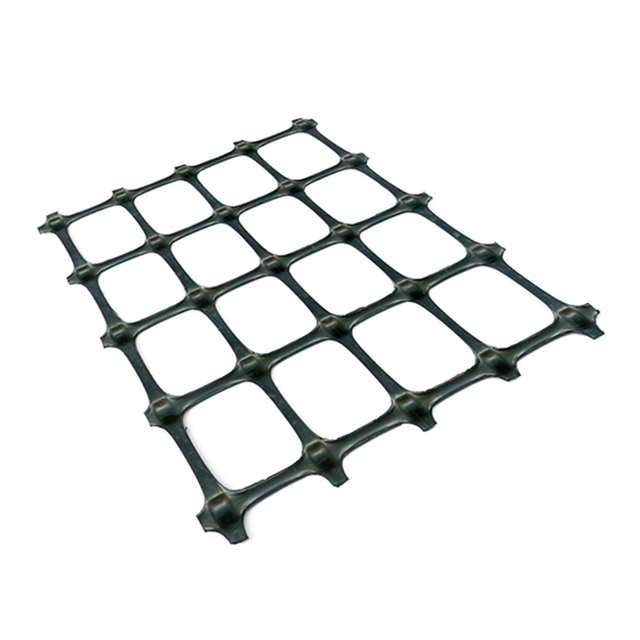
Civil engineering geogrids remain buried deep underground permanently. Therefore, maintenance must focus strictly on managing the surrounding surface environment. You cannot directly tighten a polymer grid once it is installed. You cannot easily patch a torn subsurface layer. Instead, you must protect it from external stressors constantly.
Here are three essential maintenance solutions for infrastructure managers:
Implementation carries notable risks if mismanaged by facility teams. Aggressive surface milling poses a severe daily threat to shallow installations. Deep trenching can easily breach the protected base layer. Emergency utility repairs often ignore buried structural elements entirely. Construction crews might accidentally sever the buried layer during routine digging. Once severed, the grid loses its continuous tensile strength instantly. This localized damage creates a highly dangerous weak point. Surrounding sections will soon experience rapid differential settlement. The entire local road network degrades from that single cut.
Preventative maintenance actually begins before the first aggregate layer falls. Buyers must rigorously assess technical criteria prior to installation. Proper initial evaluation minimizes future environmental damage risks significantly.
Consider these primary evaluation dimensions carefully during procurement:
It is crucial to scrutinize your foundation geogrid specifications thoroughly. You must compare vendor claims against independent laboratory data. Every civil engineering foundation geogrid needs verifiable testing metrics. Rely exclusively on established ASTM or AASHTO industry standards. Do not accept generic marketing claims as actual proof. Demand empirical evidence of long-term material durability.
| Specification Criterion | Primary Engineering Function | Direct Maintenance Impact |
|---|---|---|
| Aperture Dimension | Interlocks securely with crushed aggregate base material | Prevents lateral shifting and dangerous surface rutting |
| Junction Strength | Maintains overall grid geometry under dynamic pressure | Reduces load-induced stretching and creeping over time |
| Chemical Resistance | Withstands highly alkaline or highly acidic subgrades | Eliminates premature subterranean material breakdown |
Project managers often debate between off-the-shelf products and tailored solutions. You need a clear decision framework to make this choice. The right initial choice prevents costly future operational downtime.
Standard options work perfectly well for uniform soil conditions. They handle predictable, static load distributions exceedingly well. Your site might feature stable grading and consistent commercial traffic. In these specific cases, standard variants suffice entirely. They offer quick availability and very straightforward installation guidelines. They also keep initial material procurement costs relatively low.
However, extreme environments demand highly specialized structural approaches. A custom foundation geogrid becomes necessary for highly reactive expansive clays. Sites experiencing severe freeze-thaw cycles require optimized engineering polymers. These polymers handle extreme temperature fluctuations without turning dangerously brittle. Unique industrial point-loads need tailored tensile strength profiles. Crane pads and heavy freight rail yards require immense localized support.
Consider the practical implementation realities carefully before ordering. Custom manufacturing orders naturally carry longer production lead times. They also involve higher initial cost premiums. You must balance these upfront investments logically. Weigh them against expected long-term operational savings. Spending more on a tailored solution avoids total subgrade reconstruction later. Reconstructing a failed industrial yard is financially devastating. It easily costs ten times the price of the initial grid layer.
| Site Scenario | Recommended Geogrid Type | Future Disruption Risk Factor |
|---|---|---|
| Predictable static loads, uniform stable soil | Standard Off-the-Shelf | Low, provided surface drainage is maintained |
| Expansive clays, high chemical soil reactivity | Custom Engineered Solution | High if standard grid is incorrectly applied |
| Extreme winter freeze-thaw cycles | Custom Engineered Solution | Moderate to High without specialized polymers |
Vetting structural partners in the decision stage ensures structural longevity. A substandard vendor introduces hidden material flaws into your infrastructure. Choose a partner prioritizing highly transparent engineering support.
Use this strict shortlisting logic when evaluating potential vendors:
Encourage your procurement teams to ask hard questions early. Request historical local case studies before signing final contracts. You need solid proof demonstrating the stated life expectancy. Look for similar structural applications in local geographic environments. Finalizing your foundation geogrid supplier requires immense confidence. You must trust their long-term accountability fully. Reliable vendors back their products indefinitely. They stand by their materials long after the excavation trenches close.
Reducing costly infrastructure downtime requires a comprehensive, dual approach. Rigorous environmental maintenance post-installation protects the highly vulnerable subgrade. It prevents deep soil saturation and unexpected vehicle overloading. Simultaneously, uncompromising specification standards pre-installation guarantee structural success. The polymer backbone must withstand long-term environmental stress perfectly. Proper material alignment prevents base failure before the pavement is poured.
To protect your civil projects immediately, take these actionable steps:
A: When properly specified and installed, polymer geogrids typically outlast the design life of the overlying structure. They often function effectively for 50 to over 100 years. This longevity assumes they are not severed during installation. It also requires that the grids are not exposed to highly incompatible soil chemistry or excessive UV radiation before burial.
A: Direct repair is rarely feasible without excavating the localized failure area. Once the interlocking polymer structure is cut or torn, it loses continuous tensile strength. This is why preventative surface maintenance, strict drainage control, and diligent load management are critical to avoiding disruptive, deep-trench repairs.
A: Yes, they operate on different scales. Hardscape projects, like retaining walls and patios, rely heavily on preventing water ingress behind the wall to stop hydrostatic pressure buildup. In contrast, heavy civil projects focus primarily on dynamic load distribution, deep subgrade saturation prevention, and managing intense, repetitive axle loads.


